

Waste-Derived Gas Offers Businesses a Fuel Option Compatible With Existing Equipment
Happy Eco News described how methane captured from organic waste can be purified for use in existing gas systems, alongside the importance of traceable sourcing.
Written with AI assistance from the reports named below. How we work

Methane captured from agricultural waste, landfills and wastewater treatment can be processed into renewable natural gas for commercial use, offering businesses an alternative to fossil-derived fuel, Happy Eco News reported.
The approach collects gas produced as organic material decomposes rather than allowing it to escape into the atmosphere. According to the outlet, it combines waste management with energy production, turning material such as dairy manure, food scraps and wastewater sludge into a usable fuel source.
Anaerobic digesters break down organic waste to produce biogas. That gas then undergoes purification to remove moisture, carbon dioxide and other components.
The resulting renewable natural gas, also known as RNG or upgraded biomethane, is chemically equivalent to conventional natural gas, Happy Eco News reported. This allows it to enter existing gas infrastructure and serve uses including commercial fleets and manufacturing plants without modifications to their equipment.
Compatibility with existing systems is central to the approach described by the outlet. Businesses can incorporate the fuel through changes to purchasing agreements rather than replacing machinery simply to accommodate a different gas.
Happy Eco News presented methane capture and reduced dependence on fossil fuels as the main environmental benefits. Capturing methane from decomposing waste reduces releases of that greenhouse gas while creating an energy source from material already being discarded.
The outlet also described potential financial benefits from using domestically produced fuel drawn from continuing waste streams. It said this can help commercial buyers manage exposure to volatility in global fossil fuel markets and support longer-term budgeting.
However, obtaining the fuel and accounting for its environmental attributes involves more than changing the physical supply. According to Happy Eco News, corporate buyers must navigate producers, marketers and local utility rules when arranging renewable gas procurement.
The outlet emphasised contracts that allow buyers to trace biomethane back to its source, such as a farm or landfill. It described that transparency as important for documenting emissions reductions to stakeholders and demonstrating compliance with climate regulations.
This distinction places sourcing alongside equipment compatibility in decisions about adoption: businesses need to understand both where their fuel originates and which environmental attributes accompany the purchase.
Happy Eco News described the model as a way to connect continuing organic waste streams with commercial energy demand. Its account focused on capturing and refining methane, using existing delivery systems and establishing traceable supply agreements, rather than requiring businesses to redesign their daily operations around new equipment.
Sources
More coverage

Healthy Coral Clones Help Bleached Fragments Recover in Laboratory Study
Bleached coral fragments recovered after contact with healthy, genetically identical neighbours in a laboratory study, according to Stanford and The Optimist Daily. The researchers observed…

Physicists sank a telescope 1.5 miles under the sea to put Einstein's relativity to the test
A half-built neutrino telescope on the floor of the Mediterranean Sea searched for cracks in one of physics' most basic invariances. It came up empty, but its limits rival those of detectors many times its size.
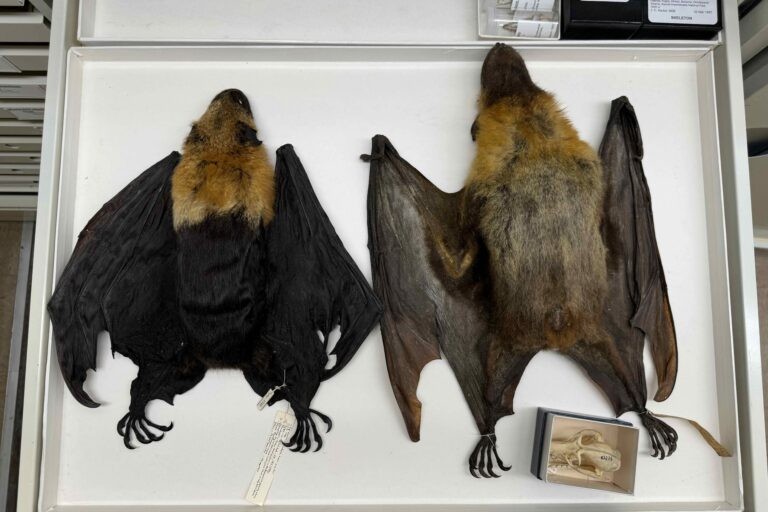
Selective hunting may be making Madagascar’s largest bats smaller, study says
Madagascar’s largest fruit bat is getting smaller, and hunting may be partly to blame, a recent study suggests. The Malagasy flying fox (Pteropus rufus) feeds mainly on fruit and nectar, making it an important pollinator and seed disperser. But the species is also hunted for meat, both for subsistence and commercial…

‘No one cares about the little guy’: Sri Lanka’s fishers still reeling from 2021 toxic plastic spill
A stricken container ship shed tonnes of tiny pellets called nurdles on the west coast. Five years on, locals are counting the cost to marine life and livelihoods On the beach in Pamunugama, on Sri Lanka’s west coast, women in uniform work under the scorching sun. They sift through rubbish washed ashore, searching…