

Psychedelic Nasal Spray Trial Reports Depression Improvements, With Further Testing Needed
An eight-week study of 193 people with treatment-resistant depression found symptom improvements after an investigational nasal spray, while independent researchers highlighted side effects and unanswered questions.
Written with AI assistance from the reports named below. How we work
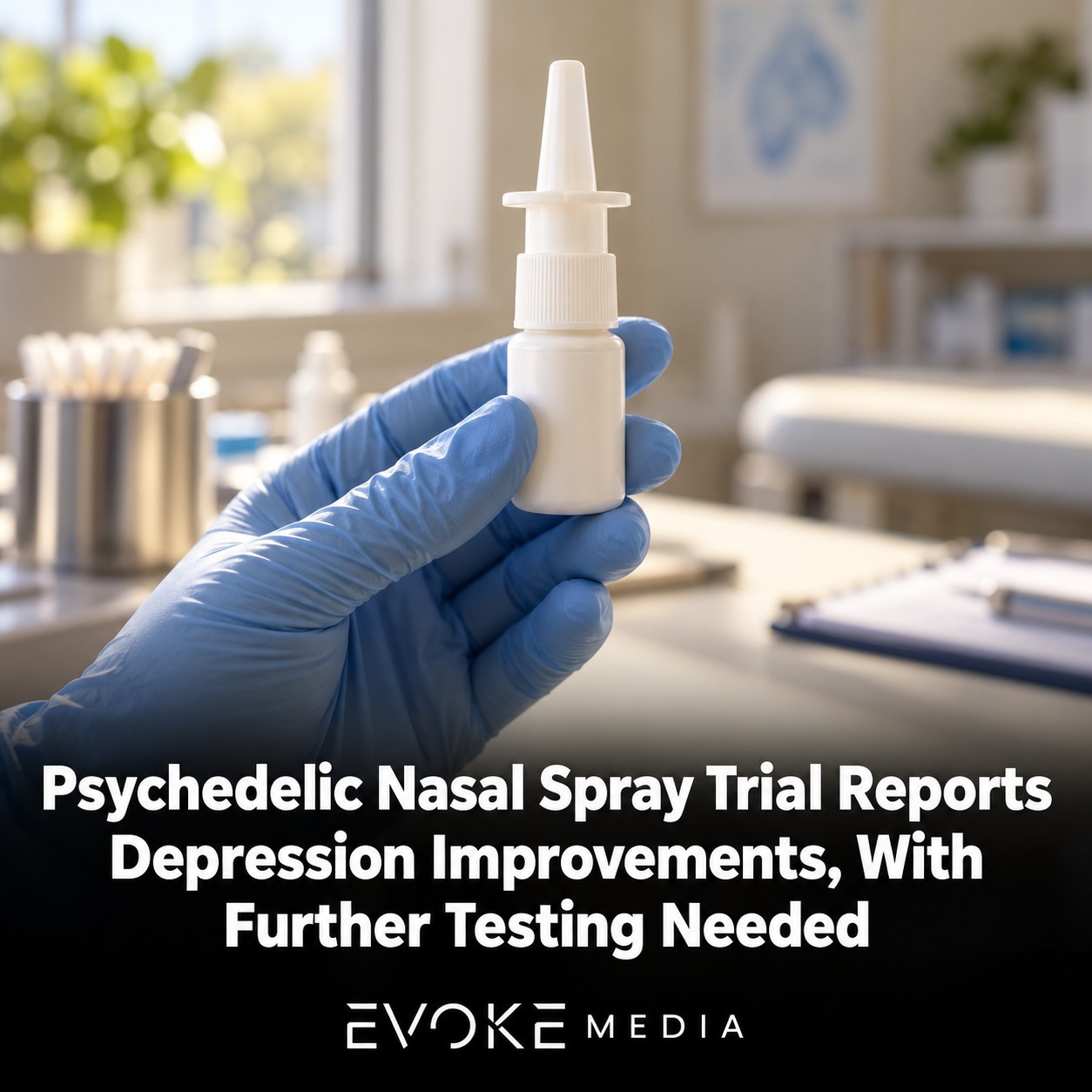
An investigational psychedelic nasal spray reduced symptoms in people with treatment-resistant depression during an eight-week clinical trial, according to a report carried by Yahoo Health.
The study tested mebufotenin benzoate, administered through a nasal spray, in 193 participants across 38 sites in Australia, Germany, Poland, Spain, the UK and the US. Participants received active or inactive doses, the report said.
The research was published in JAMA on October 26. It was funded by AtaiBeckley, which the report said had recently been acquired by Eli Lilly.
The treatment, known as BPL-003, involves the short-acting psychedelic 5-MeO-DMT. According to Yahoo Health, the compound is associated with the venom of the Colorado River toad.
Around a month after treatment, participants receiving active doses showed improvements in depressive symptoms. Remission rates ranged from 18% to 26%, compared with 8% among participants receiving the inactive dose, the report said.
An Eli Lilly spokesperson told Newsweek that the Phase 2b trial found a significant reduction in symptoms after a single dose, with benefits observed through the eight-week study. The spokesperson said further evaluation was planned through a Phase 3 programme.
Independent researchers welcomed the findings while identifying limitations. Alex Kwan, a professor of biomedical engineering at Cornell University who was not involved in the study, told Newsweek that the research was rigorous and supported further investigation of intranasal mebufotenin for treatment-resistant depression.
According to the report, the US Food and Drug Administration defines treatment-resistant depression as an inadequate response to at least two antidepressants despite adequate treatment trials and adherence. Previous estimates using that definition put the proportion at no less than 30% of people with depression.
The duration of treatment was another focus. Researchers said most participants could be discharged within two hours of receiving the drug.
Albert Garcia-Romeu, a professor of psychedelics and consciousness at Johns Hopkins University who was not involved in the research, told Newsweek that its shorter effects could help address practical difficulties associated with longer psychedelic treatment sessions. However, Kwan noted that the brief experience could still be intensely subjective.
Adverse effects were common, although researchers characterised most as mild or moderate. Almost 30% of participants experienced headaches, around 24% reported nausea and approximately 16% experienced pain at the administration site, according to Yahoo Health.
No participants withdrew because of those adverse effects, although 19 left the study for other reasons, the report said.
Garcia-Romeu also stressed that the treatment did not help everyone. He said approximately a quarter to a third of participants receiving higher doses showed a clinically significant response.
Longer-term effects remain under investigation. The report cited Garcia-Romeu’s reference to a separate September 2026 study involving almost 2,000 adults in which adverse effects associated with 5-MeO-DMT use were frequently reported.
He also highlighted the trial’s relatively racially homogeneous sample and called for evidence from more diverse populations. Psychological support formed part of the treatment, making its contribution difficult to separate from that of the medicine.
According to the report, Garcia-Romeu said further research was necessary to establish safety and effectiveness. The investigational treatment remains restricted to tightly controlled clinical trials rather than general public access.
Sources
More coverage
CoQ10 Usually Unnecessary, but Cardiologist Describes Its Use for Some Statin Patients
Most people do not need supplemental CoQ10 because their cells already manufacture it, USA Today reported, citing Dr. Albert Raizner, a cardiologist at Houston Methodist Hospital. Coenzyme Q10 is a…

Ultrasound Implant Spreads Molecules Farther Through Brain Tissue in Early Tests
MIT researchers have developed an implant that combines drug delivery with ultrasound to help molecules travel farther through brain tissue, MIT News reported. The team hopes the technology could…
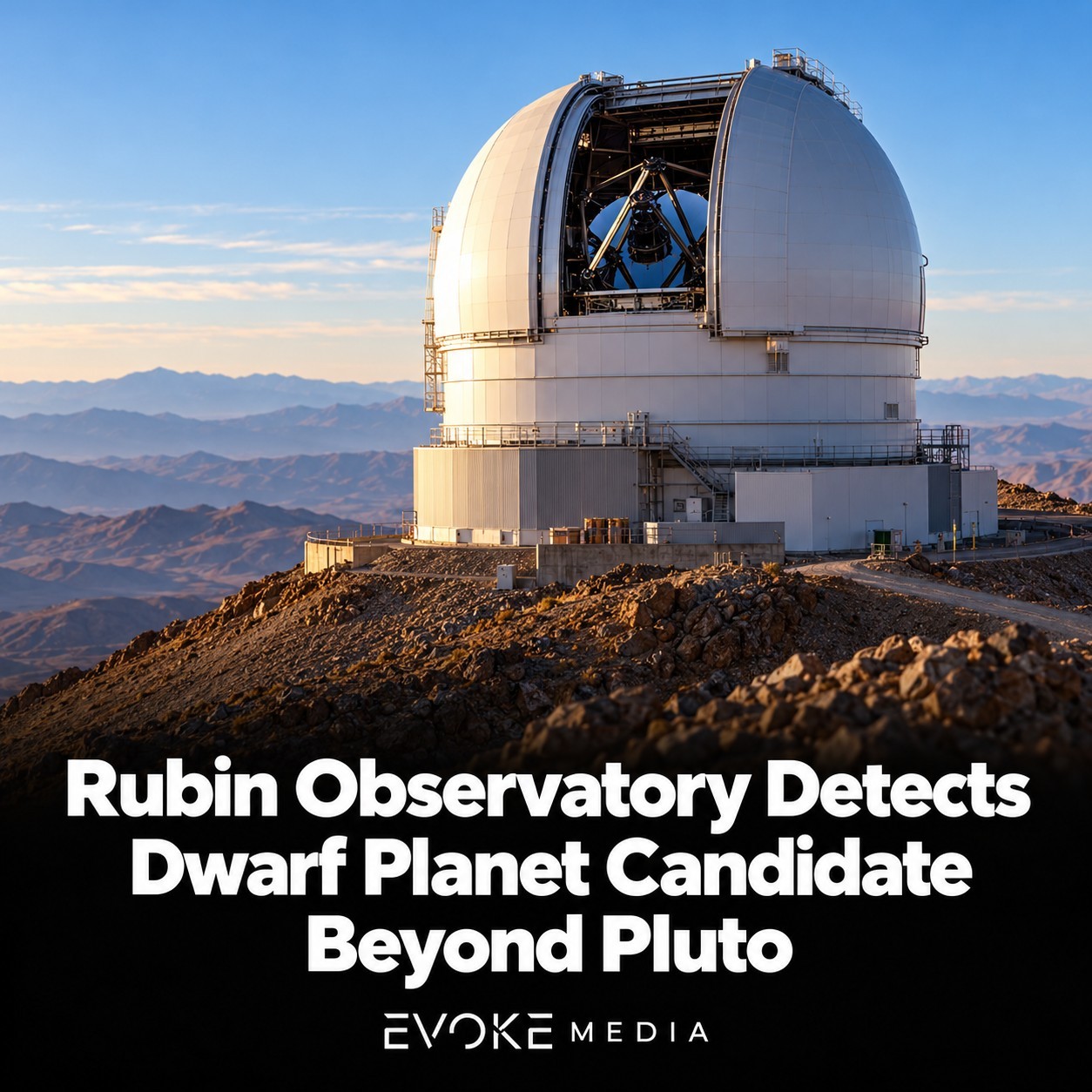
Rubin Observatory Detects Dwarf Planet Candidate Beyond Pluto
Astronomers have identified a possible dwarf planet beyond Pluto’s orbit using observations from the Vera C. Rubin Observatory in Chile, CNN reported. Provisionally named ED138, the object has an…
Review Finds No Significant Breast Cancer Risk Increase in GLP-1 Trials, Calls for Further Research
Randomised trial evidence has not shown a significant increase in breast cancer risk among people receiving GLP-1 receptor agonists, according to a narrative review published in Frontiers in…