

Electricity-Generating Toothbrush Improves Plaque and Gum Measures in Small Trial
New Scientist reported that pressure-sensitive bristles produced greater improvements than conventional brushes in a three-month study, while larger trials are needed to establish longer-term benefits.
Written with AI assistance from the reports named below. How we work
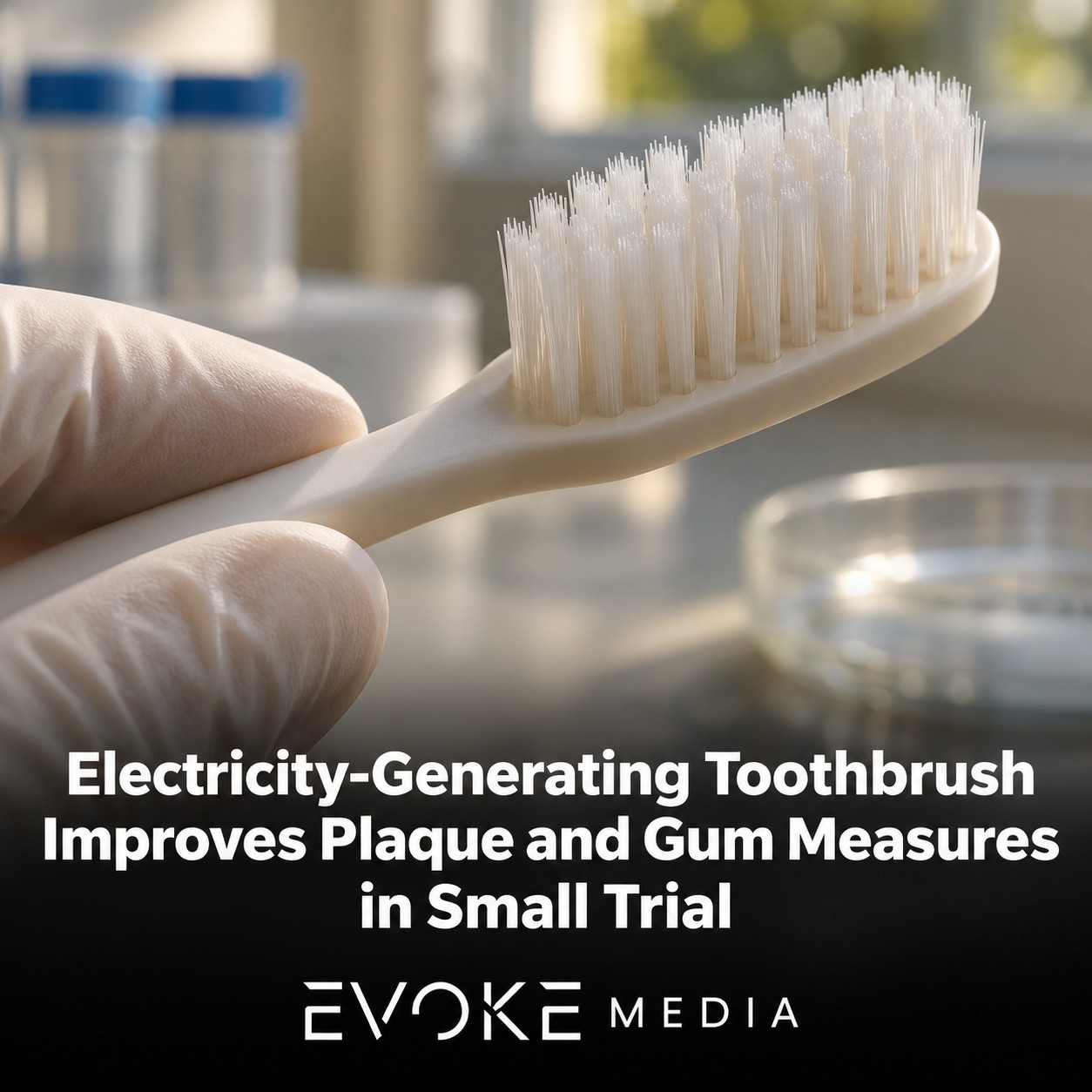
A toothbrush whose bristles generate electricity as they bend reduced plaque, gum inflammation and bleeding more than a conventional toothbrush in a small trial, New Scientist reported.
The device combines physical cleaning with chemical reactions intended to damage harmful bacteria. Researchers tested it in laboratory experiments and in 109 adults with dental plaque and inflamed gums.
According to New Scientist, Yanhui Lu at Peking University in China and colleagues developed the bristles using piezoelectric plastic, a material that generates electric charges under pressure.
Bending during brushing triggers reactions that produce reactive-oxygen species, molecules that damage bacterial membranes. The bristles simultaneously remove plaque through normal brushing movements.
The researchers produced two bristle thicknesses, both meeting Chinese national standards for softness and strength. Laboratory testing confirmed that pressure generated electricity, particularly in the thicker bristles. The brushes remained soft and retained their electrical properties after three months of use, New Scientist reported.
In laboratory comparisons, the thicker piezoelectric bristles killed about 53% of Streptococcus mutans, a bacterium associated with cavities, and 78% of Porphyromonas gingivalis, which contributes to gum disease. Conventional nylon bristles killed about 9% and 8%, respectively.
Another experiment used plaque collected from human mouths and grown on pieces of cow enamel. After three minutes of brushing, the new toothbrushes removed more than 99% of plaque, compared with about 80% for nylon brushes.
For the human trial, participants were randomly assigned to use either a piezoelectric toothbrush or a conventional nylon brush twice daily for three months.
Dental examinations found reductions of roughly 40% in plaque accumulation, gum inflammation and bleeding among participants using the experimental brushes. The corresponding reductions for conventional brushes were around 15%, according to New Scientist.
Genetic analysis also found a lower relative abundance of harmful bacteria and increases in some potentially beneficial bacteria in plaque from the experimental-brush group.
Nicholas Jakubovics at Newcastle University, who was not involved in the research, welcomed the approach but said larger studies must establish whether it prevents cavities and tooth loss.
The findings, published in Science Advances, concern improvements in plaque and gum measures rather than demonstrated prevention of those longer-term dental problems, New Scientist reported.
Sources
More coverage

England Trial Tests Whether Multi-Cancer Blood Tests Can Help GPs Diagnose Earlier
A clinical trial in England will examine whether blood tests designed to detect multiple cancers can help family doctors identify patients needing further investigation sooner, Reuters and BBC News…

Swedish Study Links Lifetime Estrogen Exposure to Brain Vascular Health in Older Women
Longer lifetime estrogen exposure was associated with fewer signs of vascular injury in the brains of older Swedish women, according to MedPage Today and research published in Neurology. The findings…

Melbourne Donor Completes Visits to All 85 Australian Blood Donation Centres
A Melbourne police officer has completed his goal of donating at every Australian Red Cross Lifeblood donation centre, combining a commitment to helping patients with a decade-long travel challenge…

Midwives concerned over possible baby unit closures
The RCM union says possible closures in Norfolk would also affect patients in neighbouring counties.