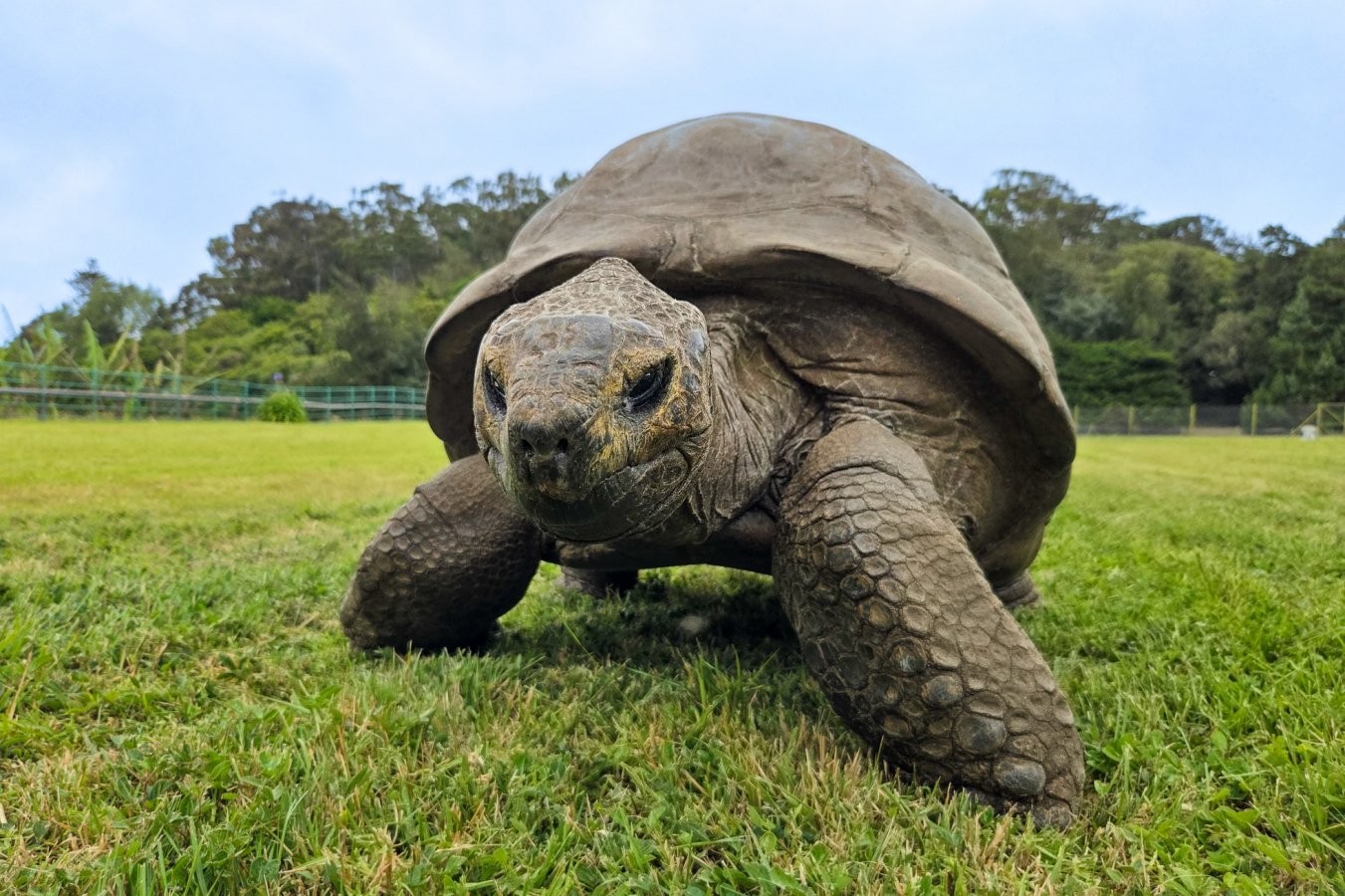
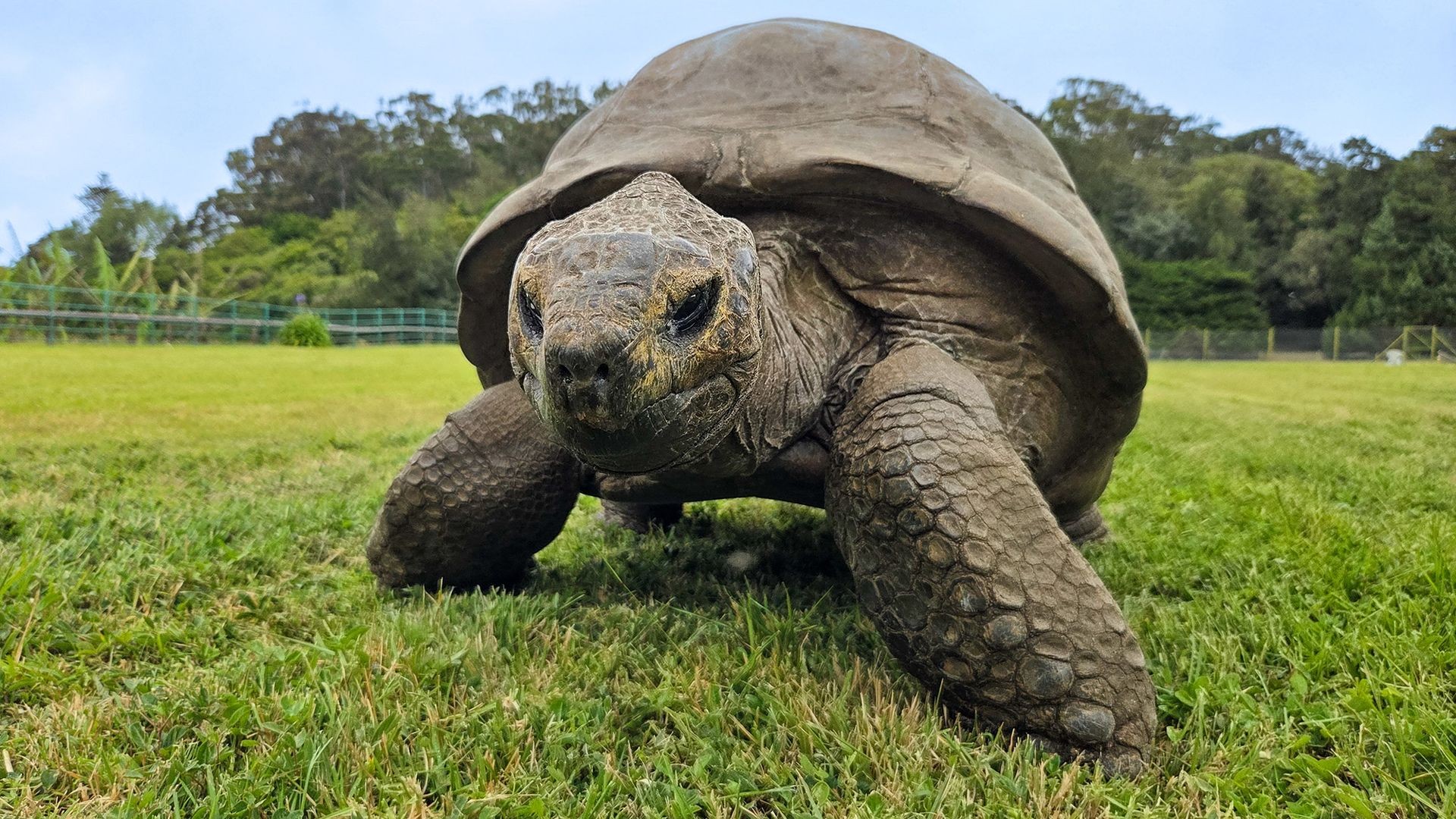
Jonathan the tortoise has lived to 194 years old — now scientists think they know why
DNA samples from Jonathan the 194-year-old tortoise reveal gene variants and epigenetic changes that could contribute to his remarkable lifespan.
ScienceSection
Research, climate, space and health.
DNA samples from Jonathan the 194-year-old tortoise reveal gene variants and epigenetic changes that could contribute to his remarkable lifespan.
ScienceThis year’s Nobel prizes in chemistry, physics and physiology or medicine have celebrated work that has been used to develop countless drugs and transform modern medicine, allowed…
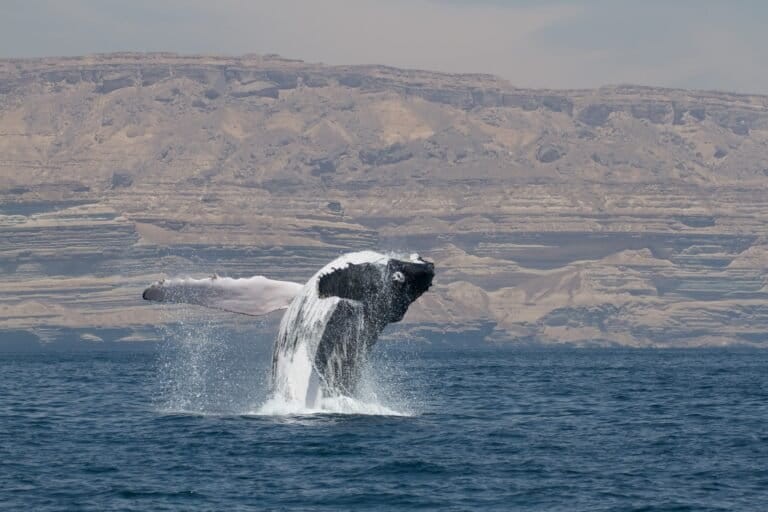
ScienceHumpback whales found in the Arabian Sea are likely a distinct subspecies, having evolved in isolation for tens of thousands of years, according to a newly published genetic analysis…
ScienceThe Nobel prize in chemistry 2026 has been awarded to two scientists, Henri B Kagan at Paris-Sud University in France and Kensō Soai at Tokyo University of Science in Japan. Their…
ScienceHappy Eco News How Birding Lodges Became Quiet Conservation Engines in Costa Rica How Birding Lodges Became Quiet Conservation Engines in Costa Rica Costa Rica is often cited as the country…
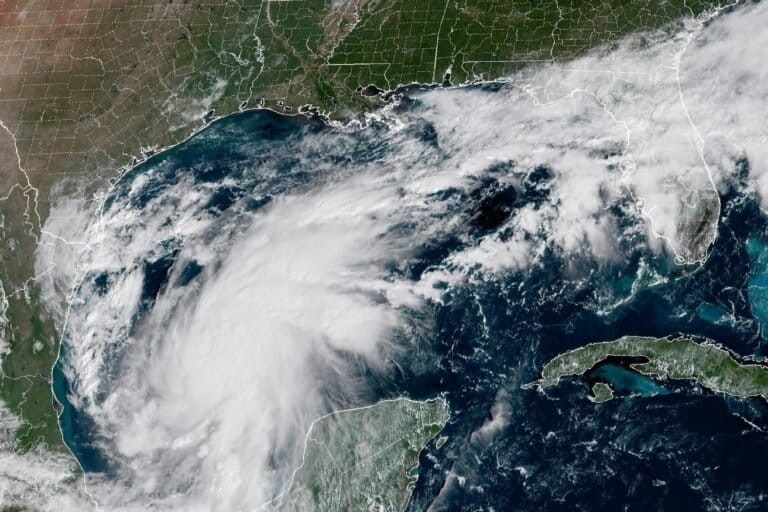
ScienceMIAMI (AP) — Tropical Storm Isaias formed Wednesday in the warm waters off eastern Mexico and forecasters said it was expected to strengthen into the first hurricane of the Atlantic season…
ScienceDNA analysis of oldest living land animal reveal patterns on genes that appear to protect functioning of mitochondria The ancient quest to extend human lifespan has received a boost after…
ScienceThe genome of Jonathan the giant tortoise, a 194-year-old resident of St Helena island, has been probed to understand how he has been alive for more than double his species’ average life…
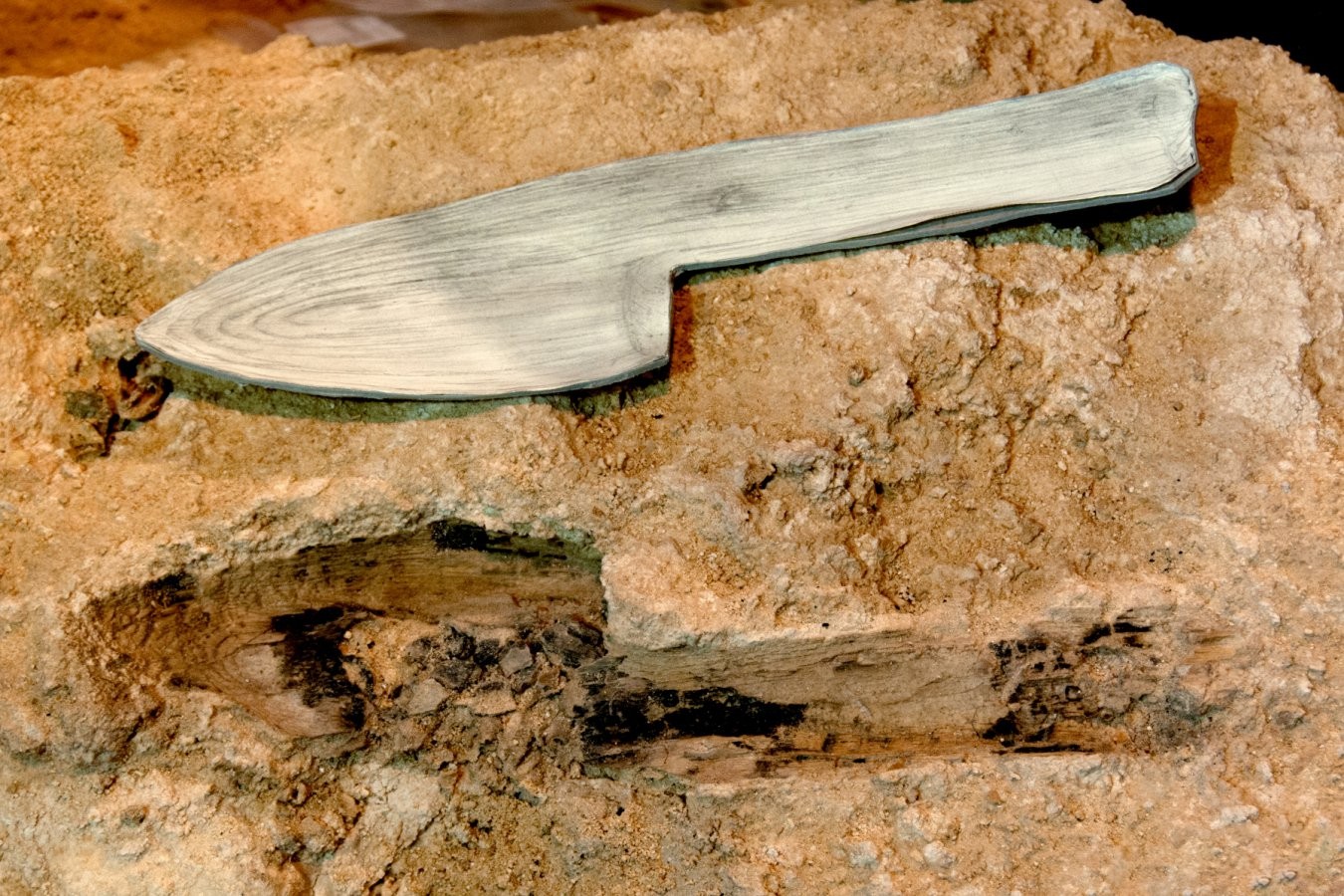
ScienceWhen Neanderthals dominated Europe, it was likely that wood was at least as important to them as stone for working into tools
ScienceGuardian reporters Jonathan Watts and Gabrielle Canon answered your question climate and extreme weather, from what to expect this winter in the UK to the increasing risk of natural…
ScienceKHON KAEN, Thailand – A wildlife officer holds a leopard cat cub in one hand, its entire body small enough for her fingers to wrap around its torso. With the other hand, she feeds it…
ScienceFunders of the $1.7 billion pledge to support Indigenous peoples and local communities’ land rights, announced at the 2021 United Nations Climate Change Conference, say they have exceeded…
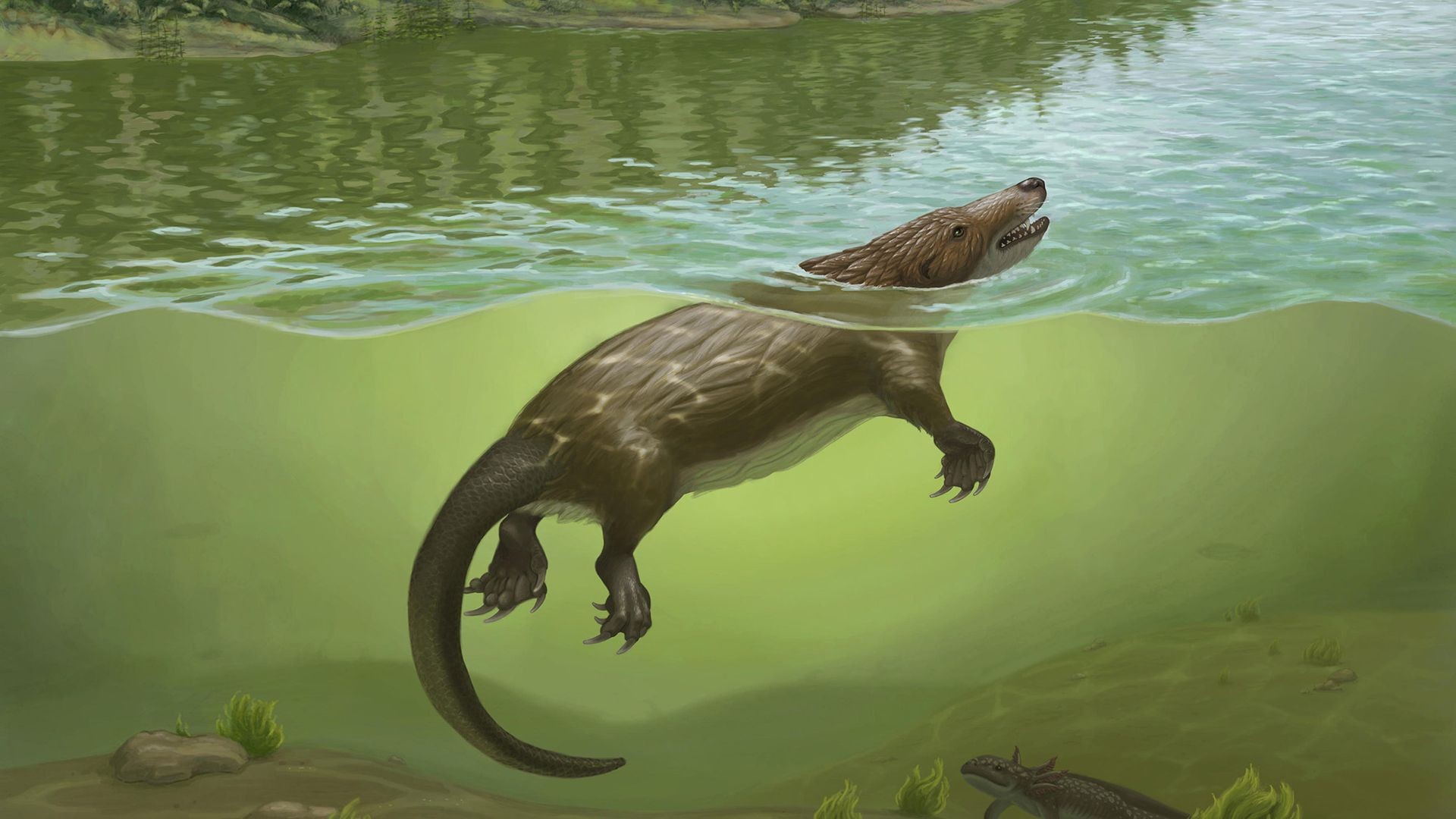
ScienceA predatory mammal-like animal from the Jurassic seems to have characteristics of both a platypus and an otter.
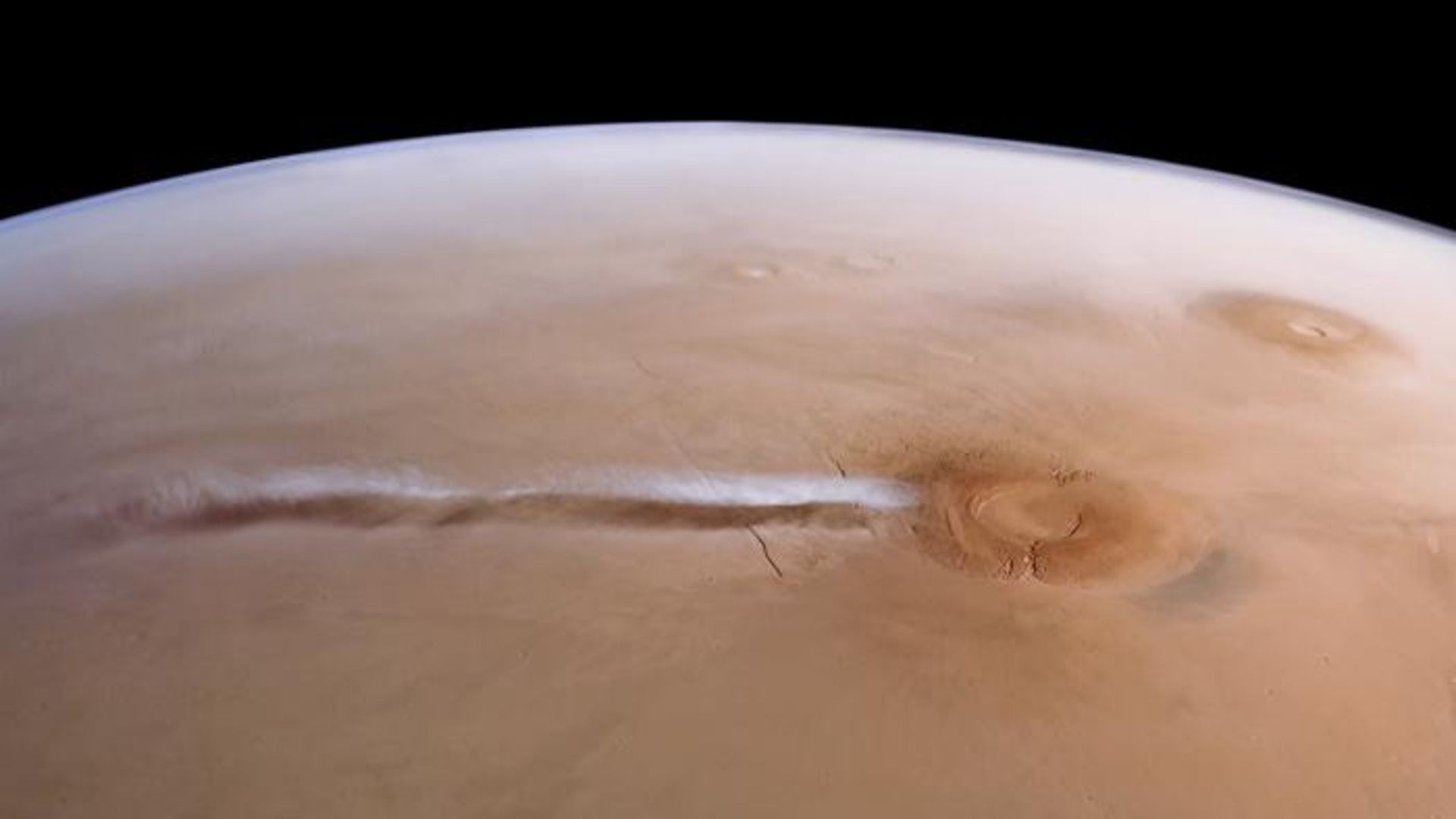
ScienceNew simulations suggest that the perplexing Arsia Mons Elongated Cloud (AMEC) repeatedly emerges in the Red Planet's skies thanks to a never-before-seen meteorological process.
ScienceLike a dark cloud of pestilence spreading across the globe in a science fiction movie, a highly contagious, fatal strain of avian influenza is continuing its death march across the globe…
ScienceDescription NASA’s Curiosity Mars rover captured this view looking back at the floor of Gale Crater, with the crater’s rim visible in the distance, on Sept. 5, 2026, the 5,006th Martian…
ScienceThis question was posed as part of New Scientist’s Last Word series, in which readers give scientific answers to each other’s questions. Here’s what our readers had to say
ScienceThis week's cartoon from Twisteddoodles
ScienceDespite disagreeing over when (or if) AI will achieve human-level intelligence, Jacob Aron thoroughly recommends The AGI Chronicles by Kevin Roose, a primer to a fast-moving field
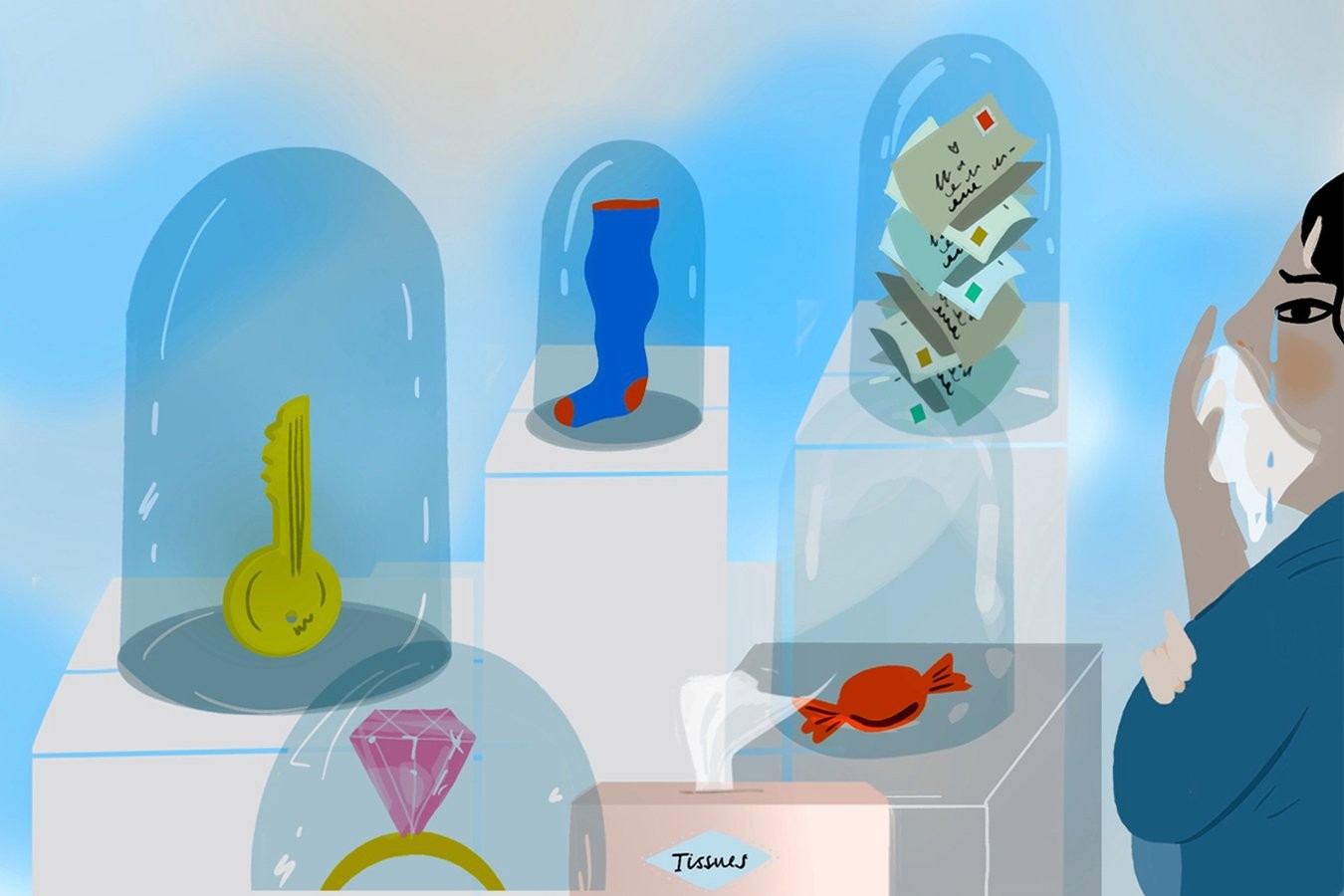
ScienceFeedback's long-running quest to discover delightfully obscure science sites may have reached its zenith with the discovery of two excellent museums in Zagreb
ScienceWhy does music evoke emotion, and do people from other cultures feel the same way? Why do we scrunch our faces up when we taste something sour?
ScienceThis question was posed as part of New Scientist’s Last Word series, in which readers give scientific answers to each other’s questions. Here’s what our readers had to say
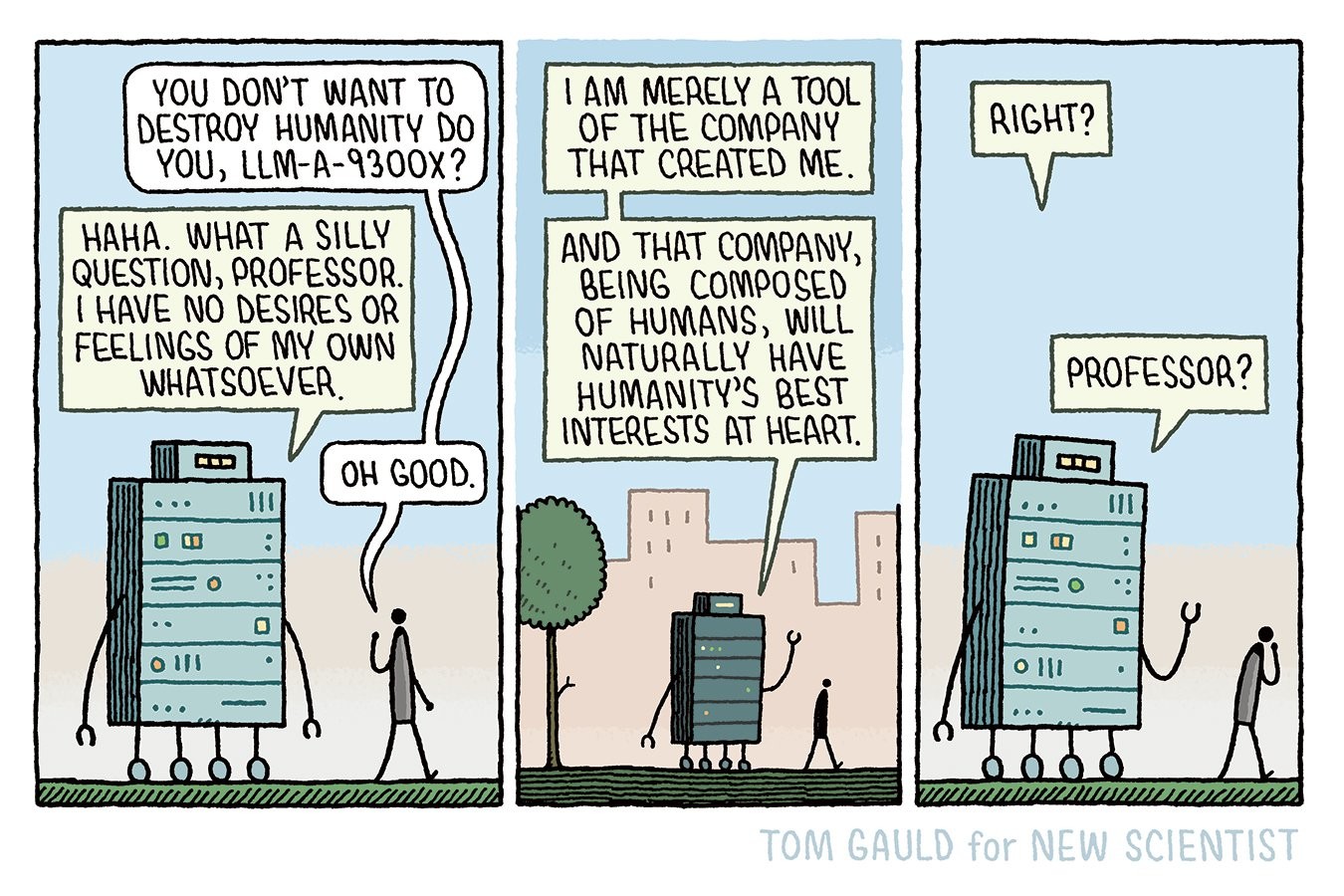
ScienceLarge language models have unleashed a torrent of text – dealing with it won't be easy
Science