

Species Recovery Alliance Pledges More Than $500 Million for Threatened Wildlife
The Bezos Earth Fund and eight partner organisations have committed funding over five years to support threatened plants and animals, Mongabay reported.
Written with AI assistance from the reports named below. How we work
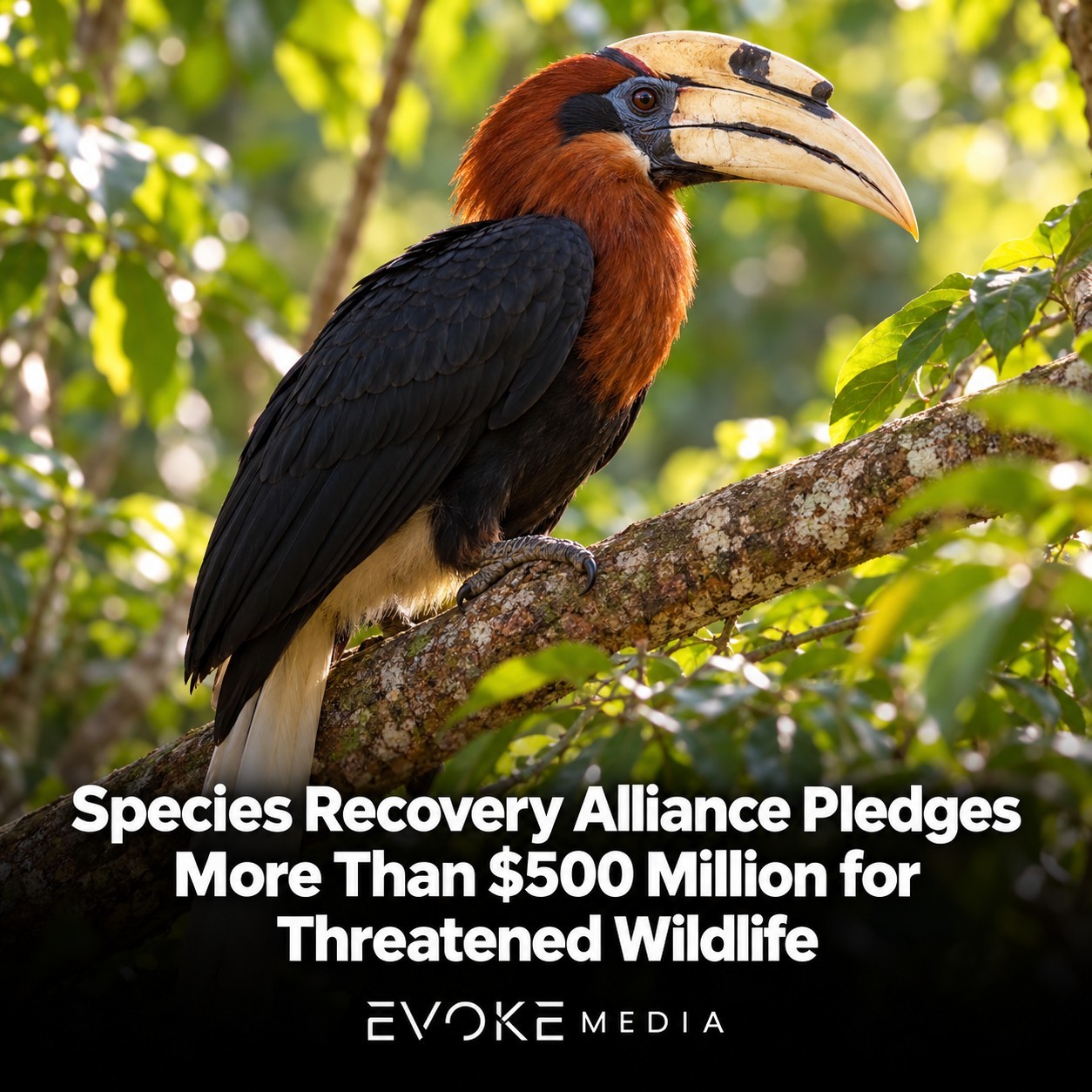
The Bezos Earth Fund and eight other organisations have pledged more than $500 million over five years to support the recovery of threatened plants and animals, according to Mongabay.
The Species Recovery Alliance was announced on October 16 at COP17, the United Nations biodiversity summit in Yerevan, Armenia. Rather than creating a shared fund, the alliance will coordinate its members’ funding and conservation work, Mongabay reported.
Members include Re:wild, Rainforest Trust and Fondation Segré alongside the Bezos Earth Fund. They will align investments and support recovery projects through conservation organisations and local partners.
Cristián Samper, managing director and leader of nature solutions at the Bezos Earth Fund, told Mongabay that the initiative emerged from concern that expanding protected areas was receiving attention at the expense of threatened species’ immediate needs.
Samper said many species require interventions directed specifically at their recovery, beyond establishing protected areas. He linked that concern to Target 4 of the Kunming-Montreal Global Biodiversity Framework, which calls for urgent efforts to prevent human-induced extinctions and help threatened species recover.
The announcement follows the Bezos Earth Fund’s Phoenix Species Project, launched in August with $200 million to support 100 critically endangered species across 30 countries, Mongabay reported.
However, the alliance’s commitment is not entirely additional funding. Samper told Mongabay that approximately one-third of the more than $500 million represents new money.
The initiative comes against a backdrop of continuing wildlife declines. Mongabay cited WWF’s 2026 Living Planet Report, which found an average decline of 73% in monitored vertebrate wildlife populations between 1970 and 2022. The corresponding decline in Africa was 80%.
Mongabay also reported that a new United Nations assessment found fewer than half of the biodiversity targets assessed were progressing on schedule.
Funding remains part of the wider negotiations. Under Target 19, governments agreed to mobilise at least $200 billion annually for biodiversity by 2030, including $30 billion in international financial flows to developing countries, according to Mongabay.
Samper described philanthropy as a source of catalytic support but said public funding, particularly domestic resources, would ultimately need to carry much of the responsibility.
The alliance will assess success through actual recovery among threatened species, using indicators developed by the IUCN, Mongabay reported. Samper acknowledged that recovery could take decades for some species that reproduce slowly and that some conservation efforts might not succeed.
The commitment therefore combines coordinated financing with an emphasis on measurable recovery, rather than treating the amount pledged as the final outcome, according to Mongabay’s account.
Sources
More coverage

Ultrasound Implant Spreads Molecules Farther Through Brain Tissue in Early Tests
MIT researchers have developed an implant that combines drug delivery with ultrasound to help molecules travel farther through brain tissue, MIT News reported. The team hopes the technology could…

Capturing the complete process of embryonic development
By tracking over 1 million cells, researchers created a detailed map of embryonic development in mice. It could provide development and disease insights.
Eradicating invasive bass gives endangered South African fish room to recover
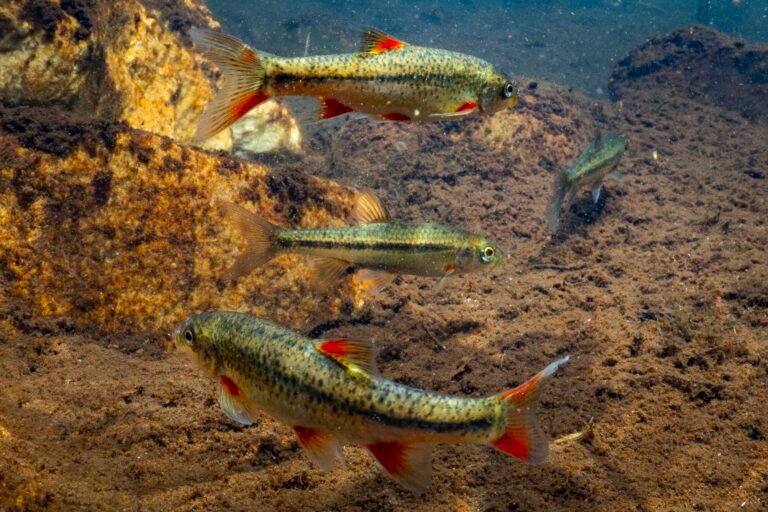
An ambitious effort to eradicate invasive spotted bass from South Africa’s Breekkrans River has unfolded about two hours north of Cape Town. Removing the bass has helped give the critically endangered doring fiery redfin (Pseudobarbus doring) a fighting chance against extinction. “Spotted bass were introduced into the…
First clear image of China's mysterious 'divine dragon' space plane revealed in US government report
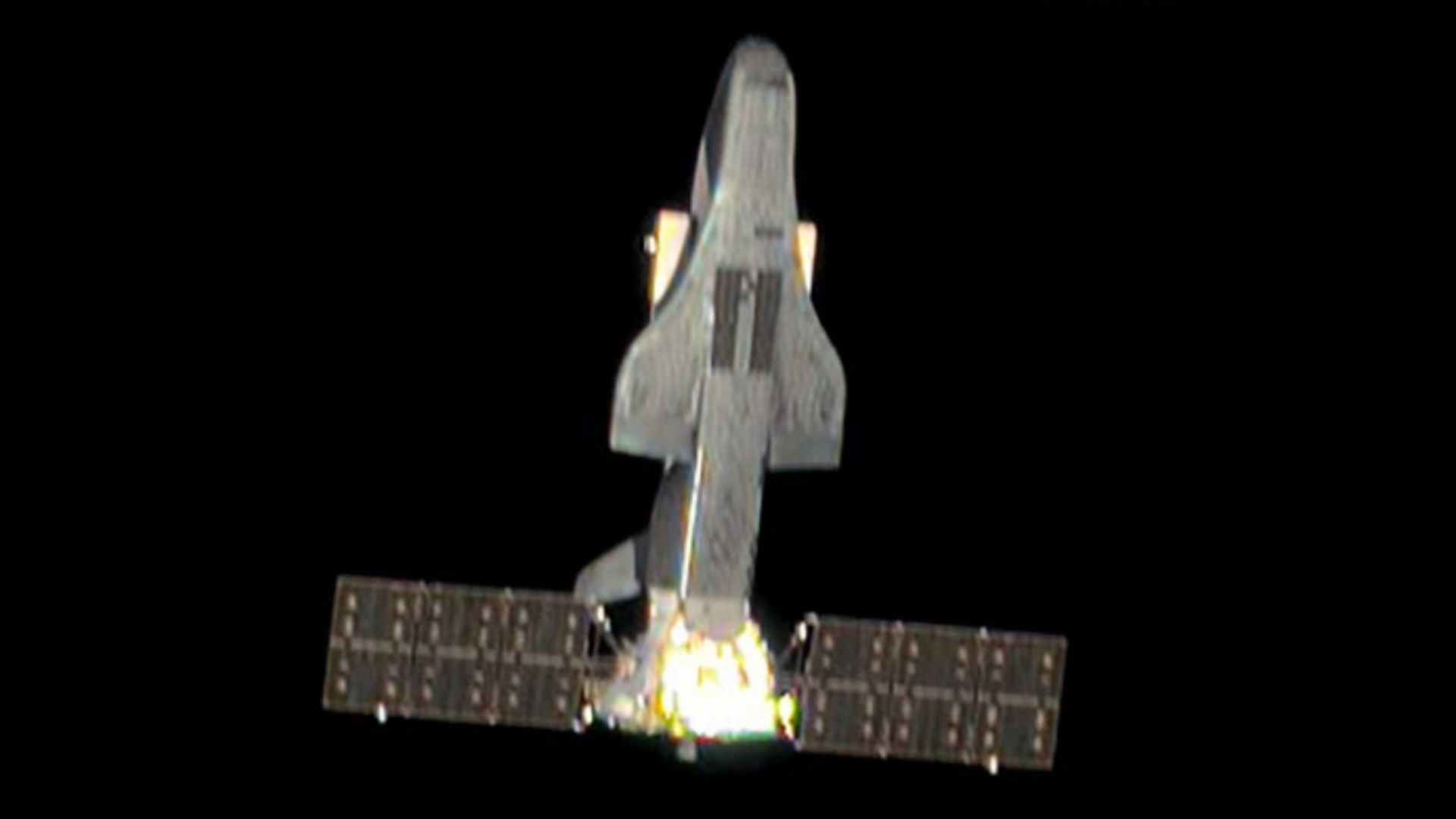
The Defense Intelligence Agency's latest "Challenges to Security in Space" report included a declassified satellite photo of China's Shenlong, or "divine dragon," space plane, which has released at least nine mysterious payloads into low Earth orbit since 2022.