

Small Bolivian Wildcat Recognised as a New Species
Three outlets reported the identification of a new wildcat species in Bolivia, with accounts highlighting its size, habitat and previous confusion with relatives.
Written with AI assistance from the reports named below. How we work
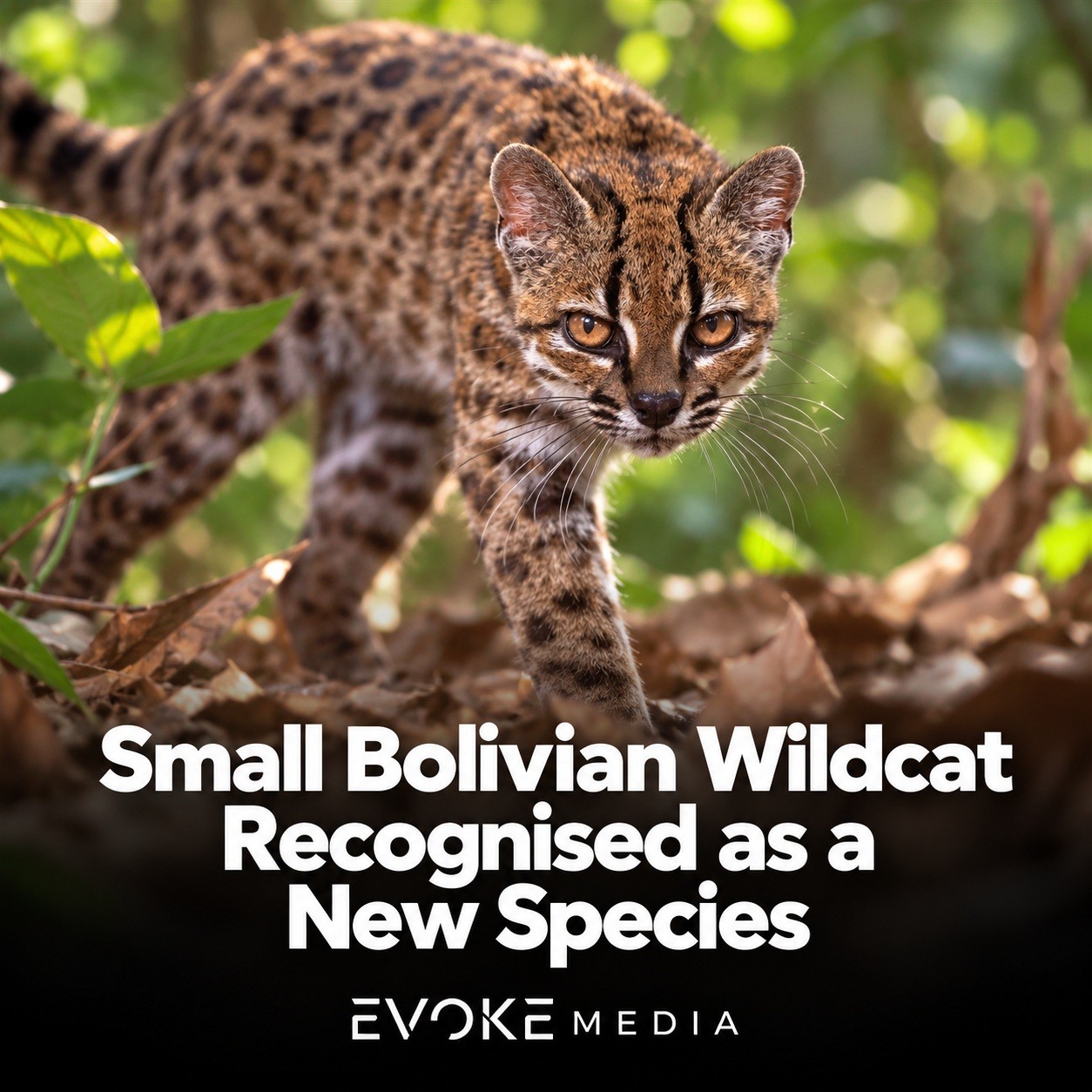
A wildcat in Bolivia has been identified as a previously unknown species, according to The Guardian, BBC News and Good News Network. The Guardian and Good News Network reported that the identification marks the first new cat species recognised in more than a century.
The Guardian placed the animal in Bolivia’s Yungas cloud forest and described it as smaller than the average domestic cat. Good News Network also reported its small size and identified it as the Tilcayo in its headline.
BBC News described the animal as spotted and reported that it had long been mistaken for related cats. Its headline stated that only one living member was known, a detail absent from the other supplied accounts.
The reports concern the same species identification, but provide different details: The Guardian specifies its forest habitat, BBC highlights its earlier misidentification, and Good News Network supplies its name.
Sources
More coverage

Healthy Coral Clones Help Bleached Fragments Recover in Laboratory Study
Bleached coral fragments recovered after contact with healthy, genetically identical neighbours in a laboratory study, according to Stanford and The Optimist Daily. The researchers observed…

Waste-Derived Gas Offers Businesses a Fuel Option Compatible With Existing Equipment
Methane captured from agricultural waste, landfills and wastewater treatment can be processed into renewable natural gas for commercial use, offering businesses an alternative to fossil-derived fuel…

Physicists sank a telescope 1.5 miles under the sea to put Einstein's relativity to the test
A half-built neutrino telescope on the floor of the Mediterranean Sea searched for cracks in one of physics' most basic invariances. It came up empty, but its limits rival those of detectors many times its size.
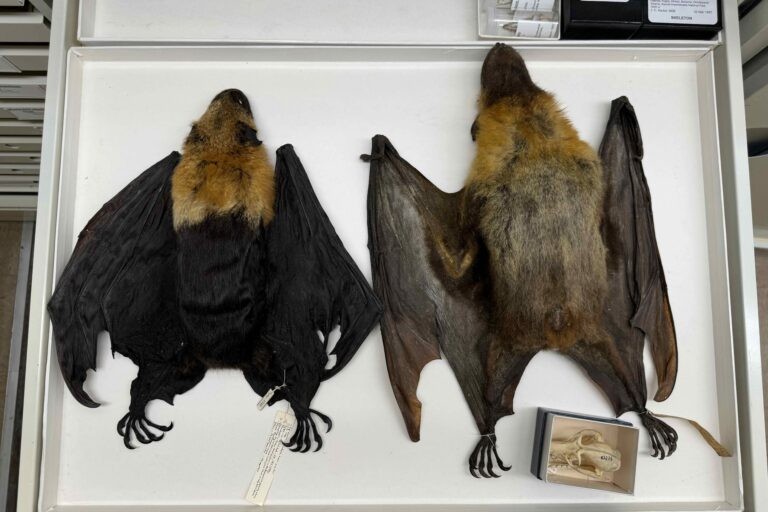
Selective hunting may be making Madagascar’s largest bats smaller, study says
Madagascar’s largest fruit bat is getting smaller, and hunting may be partly to blame, a recent study suggests. The Malagasy flying fox (Pteropus rufus) feeds mainly on fruit and nectar, making it an important pollinator and seed disperser. But the species is also hunted for meat, both for subsistence and commercial…