

Rewilded Gorilla Lulingu Gives Birth in Virunga Conservation Milestone
Lulingu’s first infant marks progress in an effort to strengthen a small, isolated population of critically endangered eastern lowland gorillas.
Written with AI assistance from the reports named below. How we work
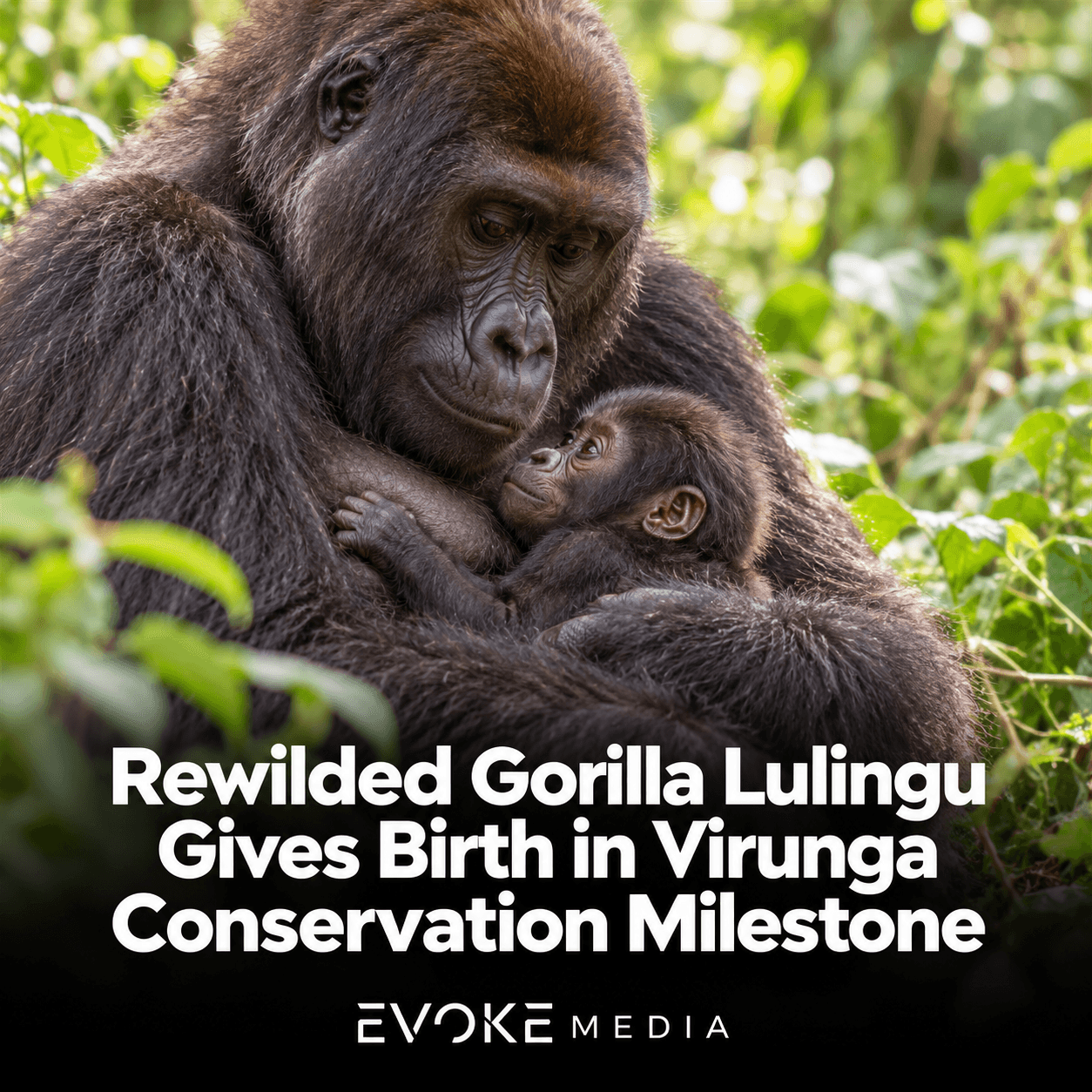
An eastern lowland gorilla returned to the wild has given birth in Virunga National Park in the Democratic Republic of the Congo, Good News Network and Re:wild reported. Both accounts identify May 21 as the birth date and describe the mother as one of the first eastern lowland gorillas successfully rewilded.
Re:wild’s account names her as Lulingu and identifies the father as Mwasa, a wild silverback on Mt. Tshiaberimu. According to Re:wild, the birth demonstrates that Lulingu has integrated into the mountain’s wild gorilla population.
Lulingu was among four females transferred from the GRACE sanctuary in Kasugho to Mt. Tshiaberimu in December 2024, Re:wild reported. The others were Isangi, Mapendo and Ndjingala. All four joined Mwasa’s family group following a rewilding process lasting more than five years, led by GRACE, Virunga National Park and local communities, with support from Gorilla Doctors and Re:wild.
According to Re:wild, the Congolese conservation authority, ICCN, and Gorilla Doctors rescued Lulingu when she was 18 months old, after she had been taken from her family and sold into the illegal wildlife trade. She became the youngest orphan brought to GRACE, which the organisation describes as the world’s only sanctuary for rescued eastern lowland gorillas, also called Grauer’s gorillas.
GRACE initially provided continuous care, Re:wild reported. Another gorilla, Pinga, subsequently became Lulingu’s surrogate mother and brought her into the sanctuary’s larger gorilla family. That group included the three females eventually released alongside her. GRACE’s DR Congo country director, Jackson Kabuyaya Mbeke, attributed her progress to years of sustained work by caregivers and conservation partners.
The release was intended to reinforce Mt. Tshiaberimu’s small, isolated population and improve its genetic prospects, according to Re:wild. The organisation reported that a population viability analysis identified a high probability of extinction within 50 years unless reproductive females were introduced. The birth represents a step toward that project’s reproductive goals.
Re:wild reported that specialists from GRACE, Virunga National Park and Gorilla Doctors selected the females using assessments of behaviour, reproductive health and overall health. GRACE caregivers helped guide those decisions. The process followed International Union for the Conservation of Nature guidelines for great-ape reintroductions.
Since the release, monitors have tracked the family’s feeding and observed mating with Mwasa, according to Re:wild. They have also collected urine from leaves without disturbing the gorillas and used human pregnancy tests to detect pregnancy-associated hormones. Field veterinarian Dr. Cedric Kibengo said none of the four females had needed veterinary treatment for illness or injury since rewilding, and that Lulingu and her infant were healthy.
Virunga ranger and monitoring lead Benoit Ishaba described Lulingu nursing, holding and playing with her baby, Re:wild reported. He also said she remained central to the family group and tolerated another young gorilla’s interest in the infant.
Re:wild noted that none of the four females had previously raised an infant. It said wild eastern lowland gorilla mortality rates had not been studied; the approximately 35% infant mortality figure it cited concerned closely related mountain gorillas, not Lulingu’s species. GRACE science director Katie Fawcett emphasised that motherhood presents challenges even for experienced females.
The infant also provides an opportunity to study first-time motherhood after rewilding and the other females’ responses, Re:wild reported. Scientific adviser Damien Caillaud described the wider project as drawing on more than a decade of planning and expertise from more than 20 specialists.
Sources
More coverage
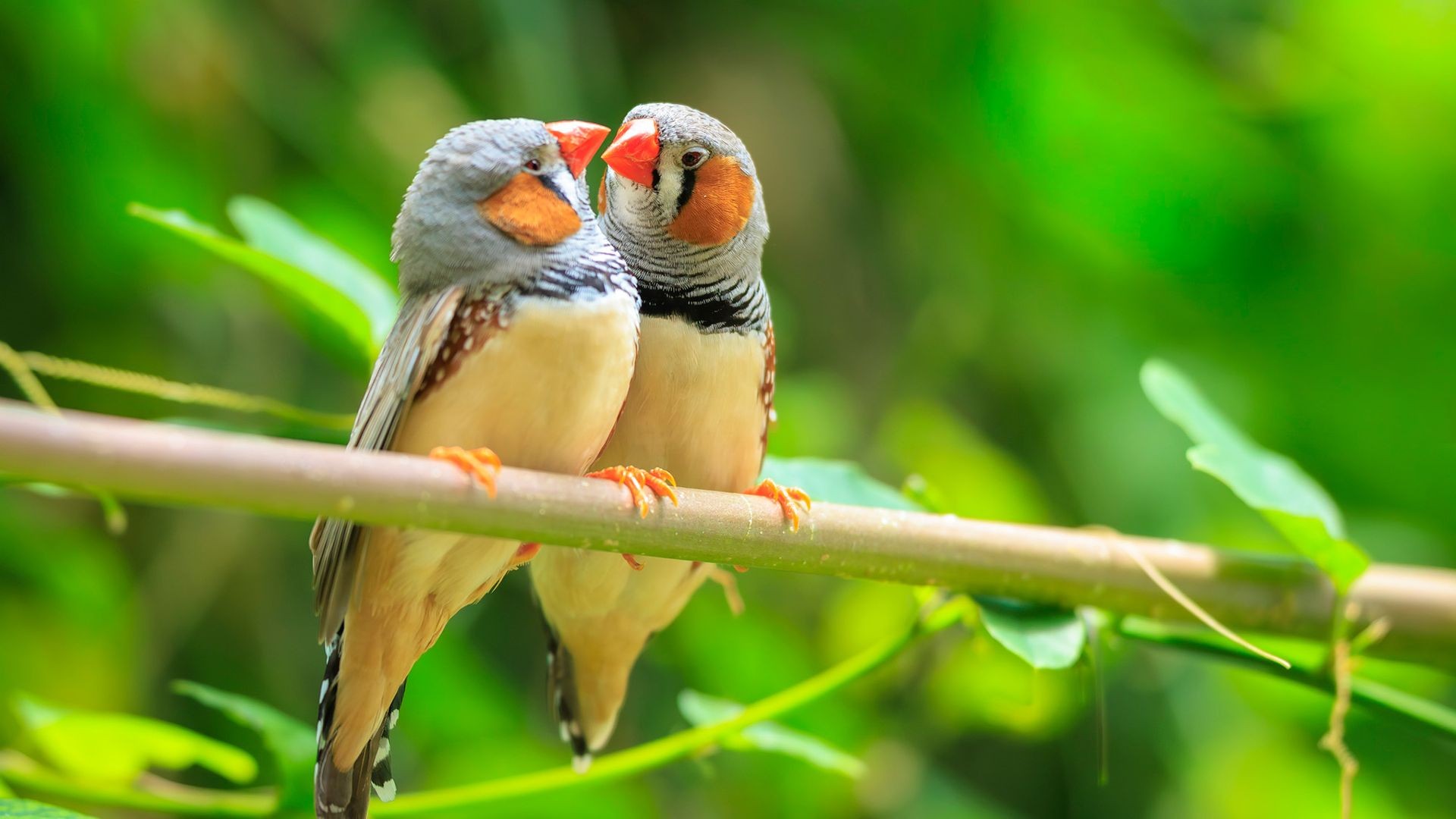
'The first species we might be able to communicate with, interact with vocally, might be a bird': An animal researcher explains how she decoded birdsong
Julie Elie , an ethologist at the University of California, Berkeley, tells Live Science about using AI to decode the vocalizations of zebra finches.
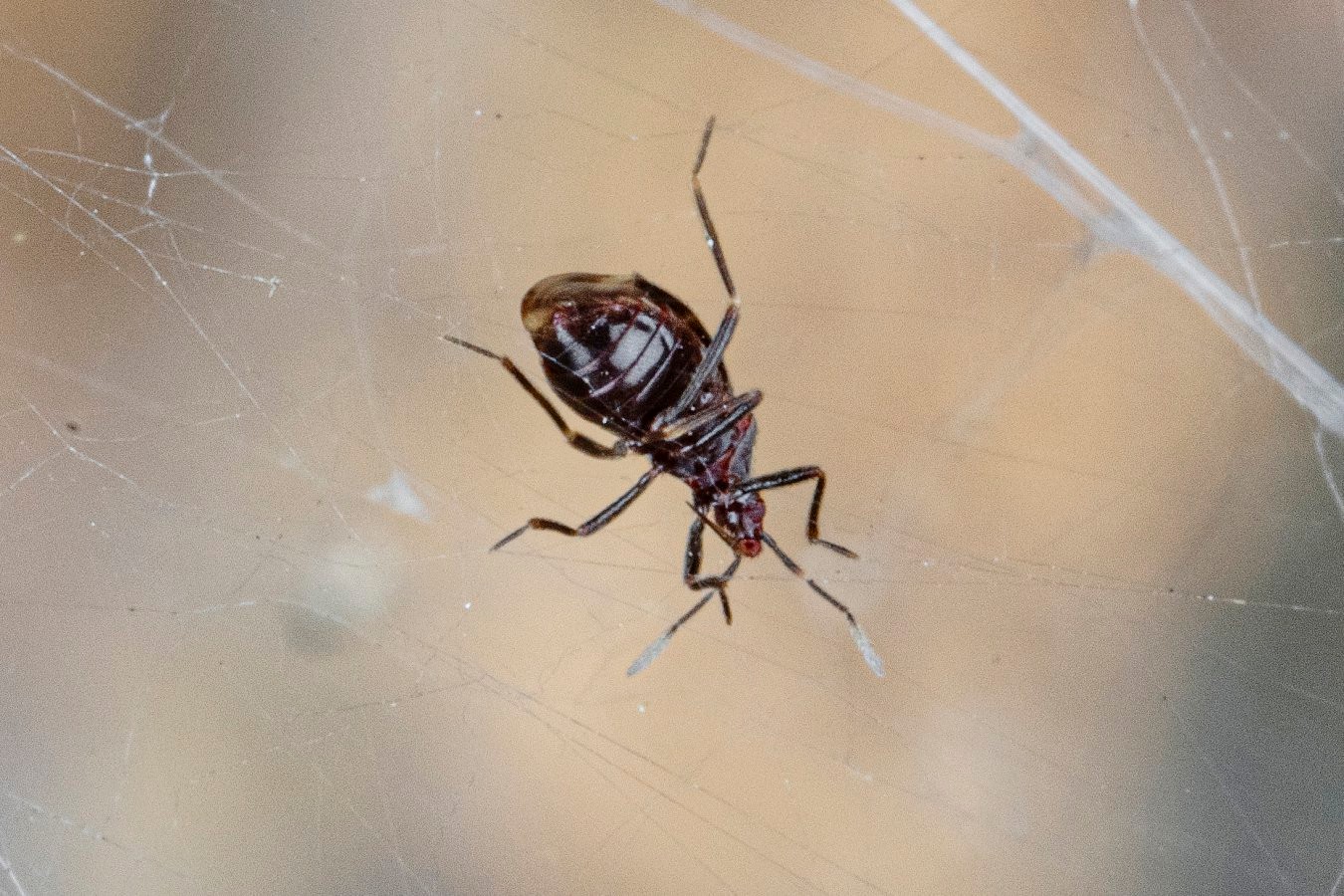
Newly described insect may live its whole life on a spider’s web
A species of “web-loving bug” from China lives on a spider's web and seems to follow its arachnid host around. The insect may be too small for the spider to bother attacking
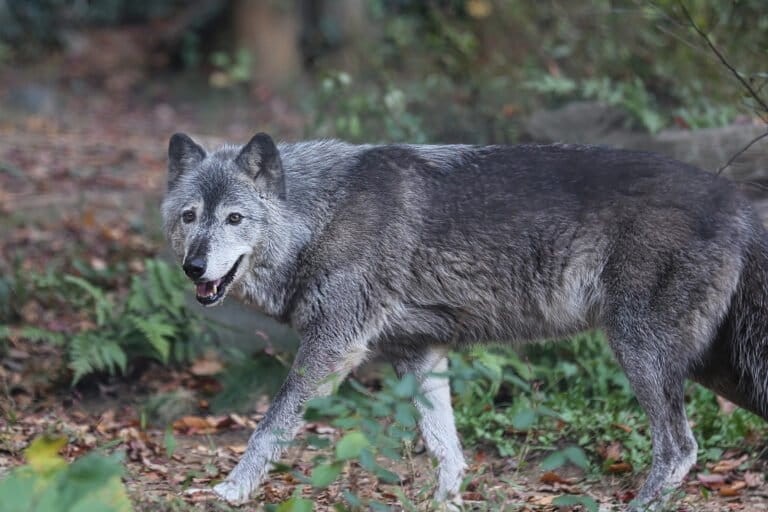
California’s Wolf Divide
After nearly a century’s absence, gray wolves are recolonizing California, altering ecosystems and landscapes in the U.S.’s most populous state. Mongabay’s Spoorthy Raman examines how this change is playing out: conservationists welcome the wolves’ return, ranchers vilify them due to livestock losses, and others seek…

10 Million Hectares of Sal Forests: 7 Ways One Tree Supports India’s Rural Economy
A meal served on a leaf plate, a silk saree woven from wild silk , and incense burning during a prayer may appear like three unrelated parts of everyday life. But they share an interesting connection. Each, in its own way, can be traced back to the forests and a tree that has supported communities for generations…