

Rescued Giant Burrowing Frogs Return to Victorian Habitat After Years in Zoo Care
The Guardian reported that 53 southern giant burrowing frogs rescued as tadpoles after the black summer bushfires have been released following years of care at Melbourne zoo.
Written with AI assistance from the reports named below. How we work
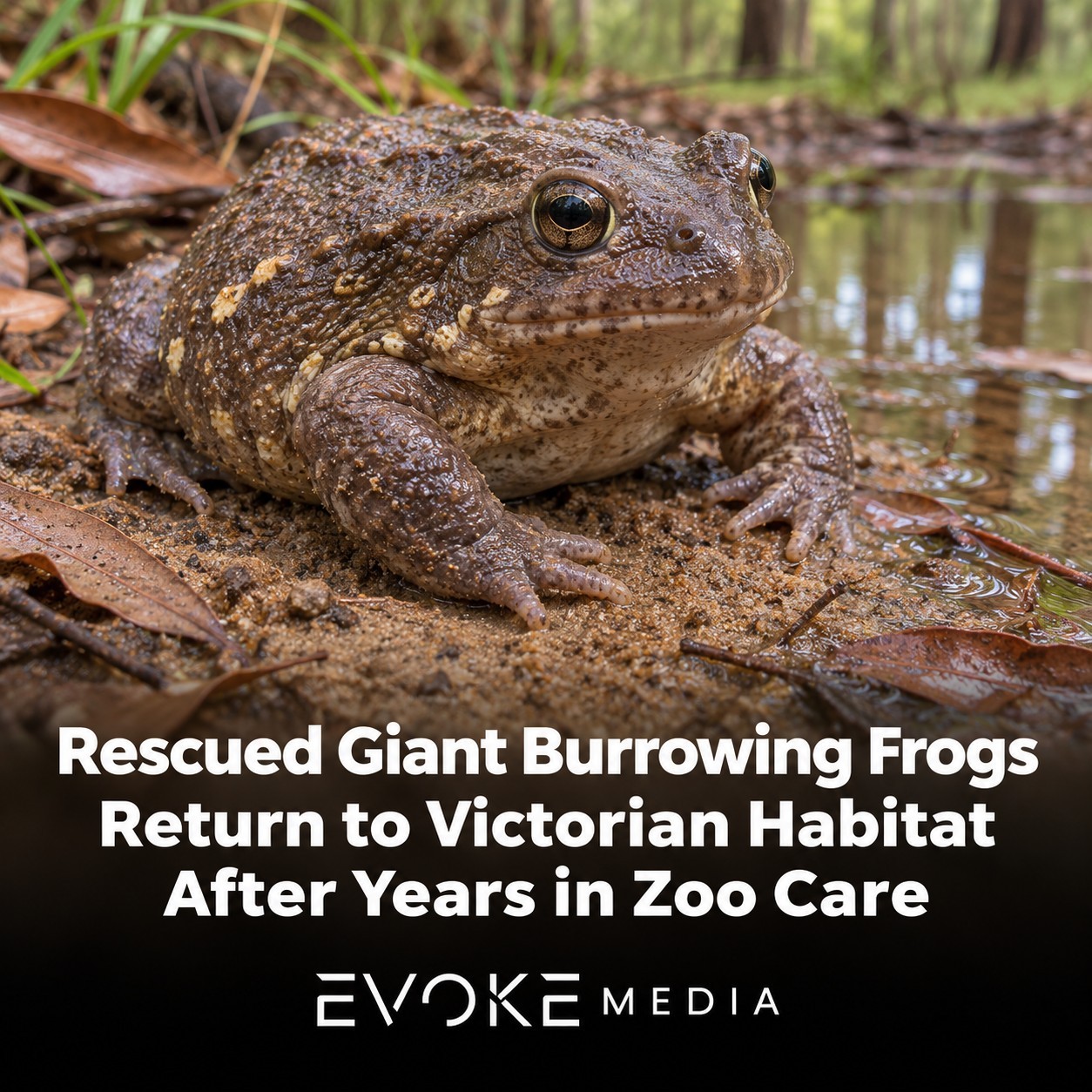
Fifty-three southern giant burrowing frogs have returned to their native habitat in eastern Victoria after being rescued as tadpoles following the 2019–20 black summer bushfires, The Guardian reported.
The release follows a conservation effort that also achieved the species’ first successful captive breeding at Melbourne zoo last year. The frog is considered critically endangered in Victoria, where only five breeding sites are known.
According to The Guardian, scientists found the tadpoles in puddles in East Gippsland after fires swept through extensive areas, raising concerns about the species’ survival. About 160 tadpoles were collected and taken to Melbourne zoo, where they developed into frogs.
The released animals came from that original collection. Now males about five years old, they were returned to a remote part of the state’s east.
Matt Clancy, a herpetologist at Snowline Ecology, told The Guardian that releases followed major thunderstorms over recent weeks. The selected sites had received between 80 and 100 millimetres of rain.
Rainfall is important to the frogs’ behaviour. Despite growing to approximately the size of a cricket ball, they are difficult to locate because they spend considerable time underground in sandy soils and forested environments. They emerge when rain arrives and breed in temporary creeks and ponds when conditions are suitable.
Clancy said tadpoles can take between three months and two years to become frogs, usually emerging as juveniles in spring or summer, The Guardian reported.
Genetic testing helped determine which animals would remain in Zoos Victoria’s captive breeding programme. Specialist amphibian keeper Ryan Moes told the newspaper that some were unsuitable because the programme needed to avoid breeding siblings together. Those frogs were instead raised until healthy enough for release.
Each released frog was tagged, and recording equipment has been installed at the sites to detect their calls, according to The Guardian.
The captive programme’s objective is to maintain healthy wild populations and prevent extinction. Moes said further tadpole collections could form part of that work.
The Guardian reported that giant burrowing frogs were divided into northern and southern subspecies in 2021. Habitat destruction and extreme climate events have severely affected populations.
Moes identified increasingly frequent and severe bushfires and droughts associated with climate change, together with declining rainfall, as continuing threats. The return of the rescued adults takes place alongside ongoing captive breeding and monitoring of the release sites.
Sources
More coverage
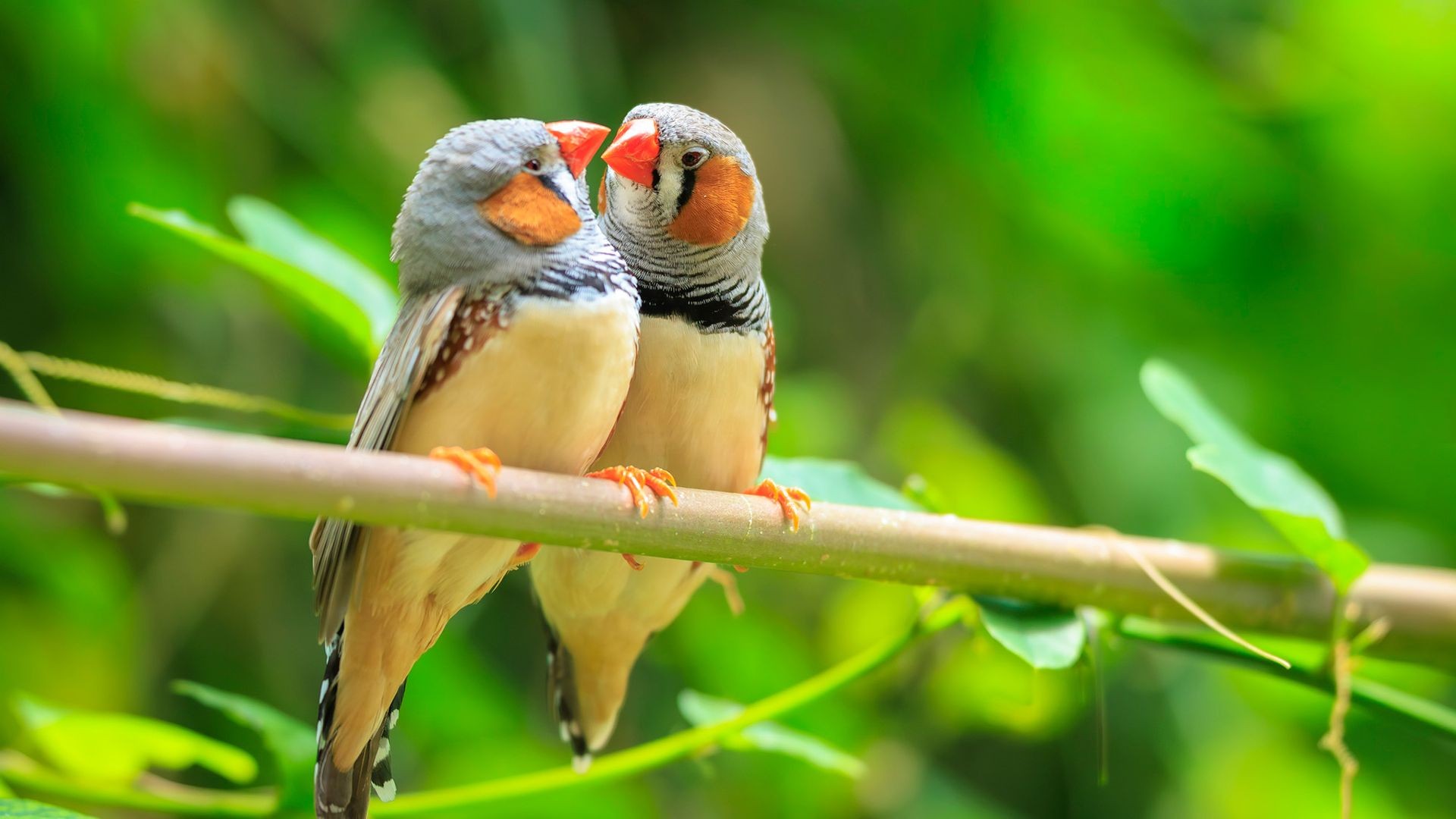
'The first species we might be able to communicate with, interact with vocally, might be a bird': An animal researcher explains how she decoded birdsong
Julie Elie , an ethologist at the University of California, Berkeley, tells Live Science about using AI to decode the vocalizations of zebra finches.
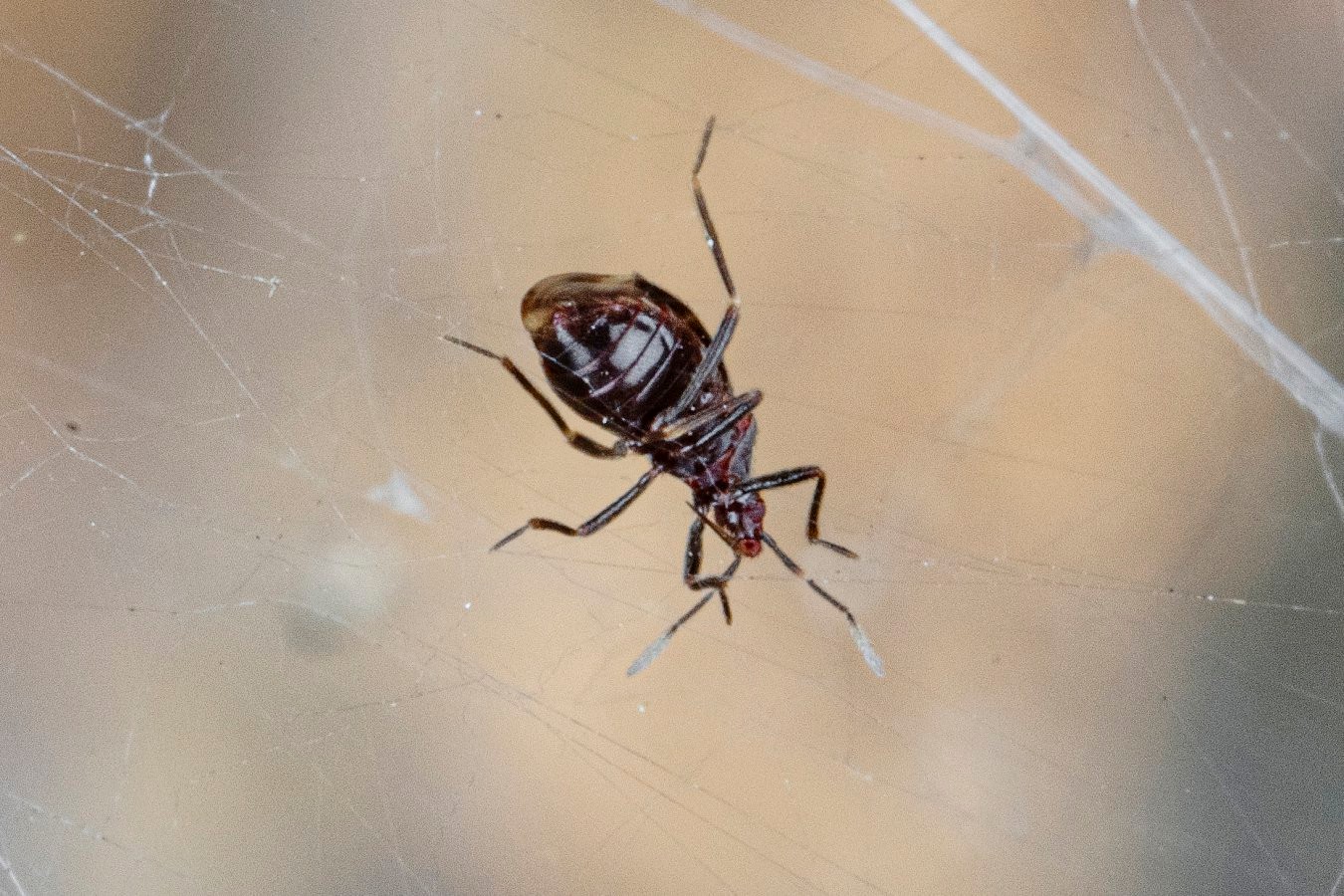
Newly described insect may live its whole life on a spider’s web
A species of “web-loving bug” from China lives on a spider's web and seems to follow its arachnid host around. The insect may be too small for the spider to bother attacking
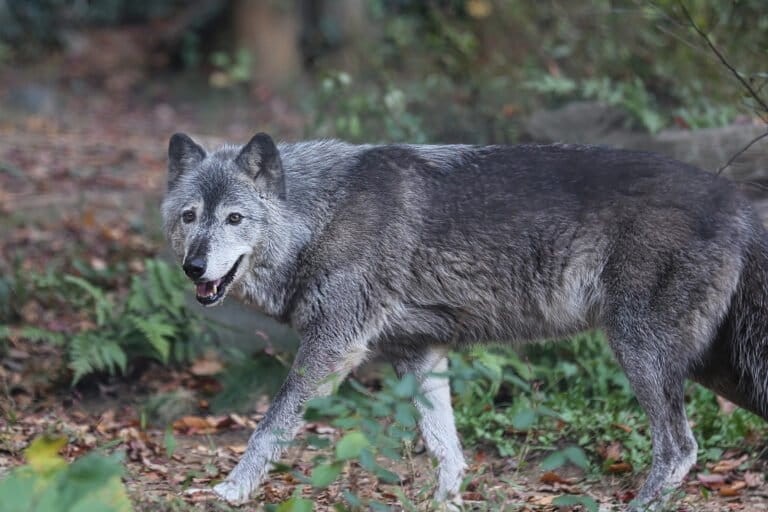
California’s Wolf Divide
After nearly a century’s absence, gray wolves are recolonizing California, altering ecosystems and landscapes in the U.S.’s most populous state. Mongabay’s Spoorthy Raman examines how this change is playing out: conservationists welcome the wolves’ return, ranchers vilify them due to livestock losses, and others seek…

10 Million Hectares of Sal Forests: 7 Ways One Tree Supports India’s Rural Economy
A meal served on a leaf plate, a silk saree woven from wild silk , and incense burning during a prayer may appear like three unrelated parts of everyday life. But they share an interesting connection. Each, in its own way, can be traced back to the forests and a tree that has supported communities for generations…