

Indigenous Women Combine Native Tree Restoration With Literacy Learning in Bolivia
Mongabay and Good Good Good described a community reforestation initiative linking watershed restoration with women’s education, while long-term conservation benefits remain uncertain.
Written with AI assistance from the reports named below. How we work
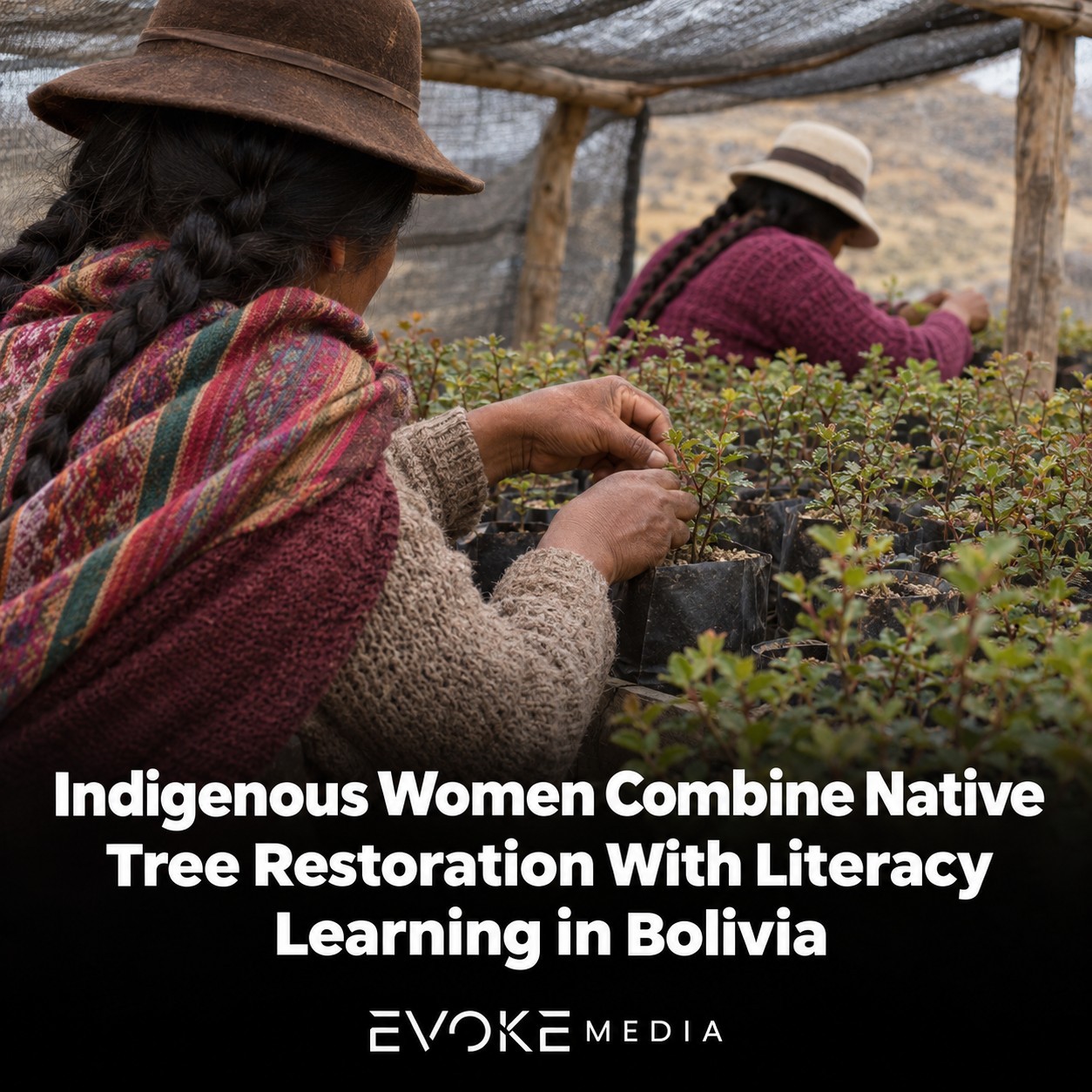
Indigenous communities in Bolivia’s Tunari mountains have planted nearly 500,000 native tree seedlings through a watershed restoration initiative that also supports women’s literacy and community organisation, Mongabay reported.
The project combines the restoration of Kewiña forests with education and shared working spaces for women. Both Mongabay and Good Good Good highlighted women’s empowerment as central to efforts to make the reforestation work durable.
Bolivian nonprofit Faunagua launched the initiative in 2022 across six communities. According to Mongabay, residents grow Kewiña saplings in shade houses before transplanting them onto surrounding hillsides.
The trees, belonging to the Polylepis group, once covered much more of the high-elevation landscape. Biologists estimate that only 10% of the region’s original Kewiña cover remains, Mongabay reported.
Decades of harvesting for firewood and construction, small-scale potato farming, urban expansion, wildfires and habitat fragmentation have reduced the forests. The region now faces chronic drought and increasing erosion.
Native Kewiña trees have particular importance for water retention. Mongabay explained that their dense leaves intercept high-altitude fog droplets and channel water into the soil. Their limited moisture loss through transpiration helps preserve groundwater.
Some forests stand above aquifer recharge zones in Tunari National Park. Studies cited by Mongabay indicate that 80% of the water consumed in the Cochabamba metropolitan area originates directly or indirectly from catchments within the park.
The native-tree approach also differs from an earlier planting programme. Mongabay reported that mass planting of non-native pines and eucalyptus, financed in response to erosion in the 1960s, degraded ecosystems and worsened water scarcity, according to researcher Jennifer Cahill.
In Chiaraje, one of the participating villages, the current project has created opportunities beyond growing seedlings.
Faunagua recognised that women living in widely dispersed homes had few shared social spaces. Gathering around the nursery gave participants a place to exchange experiences and identify other needs, Mongabay reported.
Some women asked for reading and writing lessons after explaining that they had not completed primary school. Faunagua incorporated literacy classes into the programme.
A core group of around 25 women subsequently formed the Warmi Kewiñas in 2023. The name means Kewiña Women in Quechua. Andrea Vicente, a potato farmer and the group’s president, told Mongabay that participants had learned to read, write and sign their names through the project.
Environmental education and organisational training also form part of the work. Faunagua, its partners and residents recently completed a small building intended to provide daycare while women work in the nearby nursery, Mongabay reported.
The planting totals represent progress, but not yet proof of lasting watershed recovery. Faunagua executive director Rosmery Ayala told Mongabay that 110,000 seedlings had been grown this year. Substantial regional benefits remain years away.
Community members have described changes already. Irma Vicente told Mongabay that she had noticed more rain and humidity after four years of work. The project’s overall impact and long-term sustainability nevertheless remain uncertain.
Sociologist Rosario León warned that community forestry projects can lose momentum when outside organisations and funding disappear. Ayala argued that literacy helps residents make independent decisions rather than simply following instructions.
That ownership matters for trees that take decades to mature and can live for hundreds of years. Cahill expressed confidence in the initiative because it uses native species and respects community land-allocation decisions.
Mongabay also described wider pressures, including drought, flooding and rising Andean treelines. Against those challenges, the initiative links forest restoration with the education and local organisation needed to sustain care for the trees.
Sources
More coverage

‘Disaster’ unfolding as Sydney fire ant outbreak partly blamed on ignored biosecurity recommendations
Farmers’ federation president says Australia ‘can’t even keep [illicit] cigarettes out of the country … let alone some of these difficult-to-detect pests’ Get our breaking news email , free app or daily news podcast Years-old recommendations by Australia’s biosecurity watchdog have been ignored or not acted on by…

Ministers have ‘failed to make the case’ for Heathrow third runway, MPs says
Transport committee says policy papers show expanding airport would fall short of pledges on economy and climate Ministers have “failed to make the case” for a third runway at Heathrow , according to a damning report by MPs. The Commons transport committee said on Thursday that the detailed policy papers laid out by…
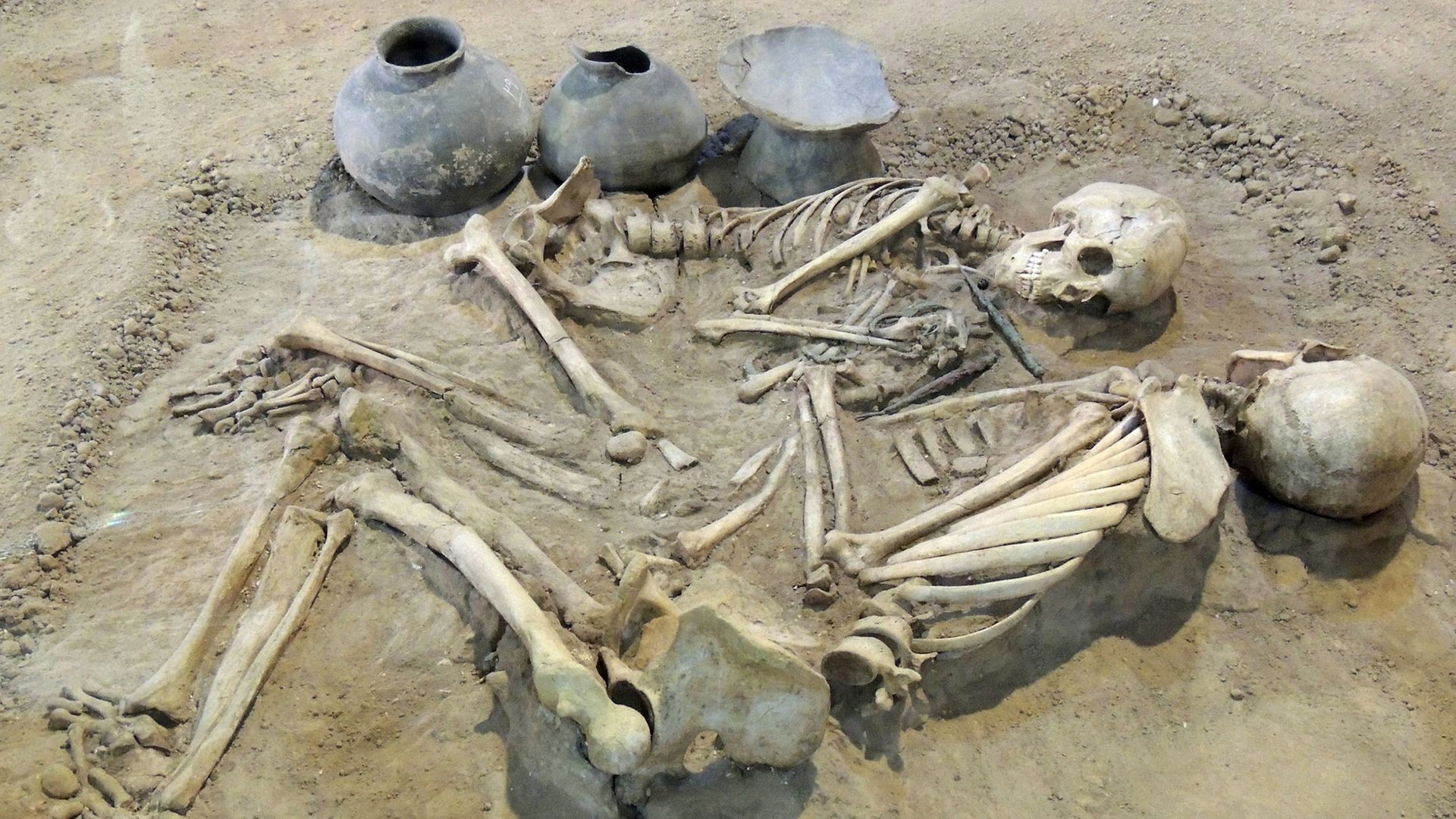
'I would love to discover Attila's grave': Live Science readers weigh in on which archaeological discoveries they would want to find
Live Science asked its readers what type of archaeological find they'd want to discover.

Stars in your eyes? These are the best Black Friday telescopes, smart telescopes and binocular deals we've found to raise your skywatching game
We've found the stargazing deals worth your money this Black Friday at retailers like Amazon and B&H, including some of our favorite models that we've personally tried and tested.