

Hubble and Webb Reveal Star-Forming Structures in the Cat’s Head Nebula
NASA and Live Science described how visible-light and infrared observations reveal different features of a dusty pillar in the Carina Nebula, about 7,500 light-years from Earth.
Written with AI assistance from the reports named below. How we work
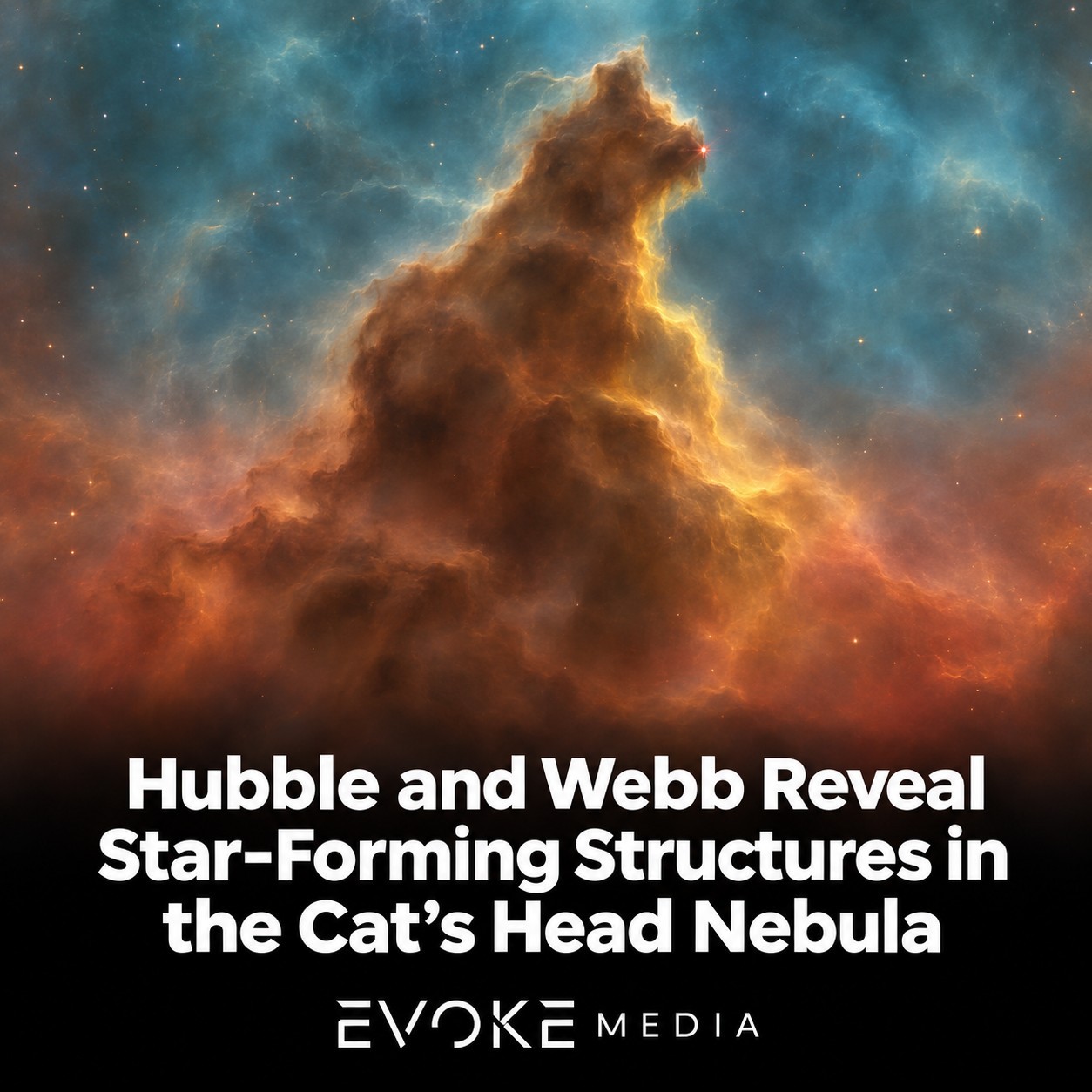
New images from the Hubble and James Webb space telescopes are revealing different layers of the Cat’s Head Nebula, a star-forming structure within the larger Carina Nebula, NASA and Live Science reported.
Located about 7,500 light-years from Earth, the column of gas and dust resembles a cat sitting with its back towards the viewer and its head turned to the right. Observations across visible, near-infrared and mid-infrared wavelengths expose different features of the same structure.
NASA said the complementary images are helping astronomers investigate star formation. Its separate image announcement identified October 29, 2026, as the release date for Webb’s mid-infrared view.
According to NASA, intense ultraviolet radiation and winds from massive stars probably shaped the pillar. These processes erode surrounding material, while denser parts of the structure resist being dispersed.
Hubble’s visible-light image shows a dark brown dust pillar bordered by a luminous rim. NASA described that rim as consistent with gas illuminated and ionised by nearby massive stars, potentially undergoing photoevaporation. Live Science likewise described the wispy right-hand edge as material being gradually stripped away by stellar radiation.
The surrounding colours also carry information. NASA and Live Science reported that oxygen, hydrogen and sulfur contribute to the scene. NASA explained that Hubble’s filters capture emissions from those elements alongside starlight scattered by dust, revealing differences in gas excitation and illumination.
The apparent eye is described with different levels of certainty. NASA said the red glow may indicate a young star still partly embedded in dust. Live Science identified it as an embedded young star and suggested it could be altering the surrounding material.
Webb’s near-infrared image makes parts of the dust column more transparent, exposing intricate structures and many additional stars. NASA and Live Science also noted that background galaxies become visible through the surrounding material.
NASA described delicate wisps to the pillar’s left that are exposed to radiation from nearby massive stars. Live Science highlighted a hand-like appearance in that area and described the infrared view as showing a more complex, turbulent interior.
The mid-infrared image reveals another aspect of the nebula. NASA said emission from warm dust and carbon-based molecules excited by starlight traces fine structures, including globules and strands to the left. Differences in composition and local conditions affect their brightness and colour.
Live Science more specifically attributed the smoky, bluish emission to polycyclic aromatic hydrocarbons, molecules containing carbon and hydrogen, citing the European Space Agency.
A bright source to the right receives differing interpretations. NASA described it as likely an infant star embedded in dust, against reddish surrounding emission. A narrow filament appears to cross it, although NASA cautioned that the image cannot establish a physical connection.
Live Science instead characterised the orange spot as unexplained, citing ESA, and said its relationship to the nebula was unknown.
Together, the views show how the same pillar changes in appearance across wavelengths while retaining its overall shape. NASA said the structure is temporary and will eventually disperse as stars form and evolve.
Sources
More coverage

A Brown Cover Doesn't Make a Notebook Eco-Friendly: 6 Things to Check Before You Buy
The next time you pick up a notebook, pause for a moment. An earthy brown cover , a leaf logo, or the words ‘eco-friendly’ might make it look like the greener choice. But appearances can be deceptive. What you should consider is the paper inside, the materials used to make it, how long it lasts, and whether it can be…

NASA Announces X-70 Experimental Aircraft to Advance Flight Research
On Wednesday, NASA unveiled its newest experimental aircraft, the X-70 Fractal, during the UP.Summit at the agency’s Kennedy Space Center in Florida. This high-performance, highly adaptable research platform is designed to accelerate the development and testing of advanced aviation technologies. The crewed X-70…
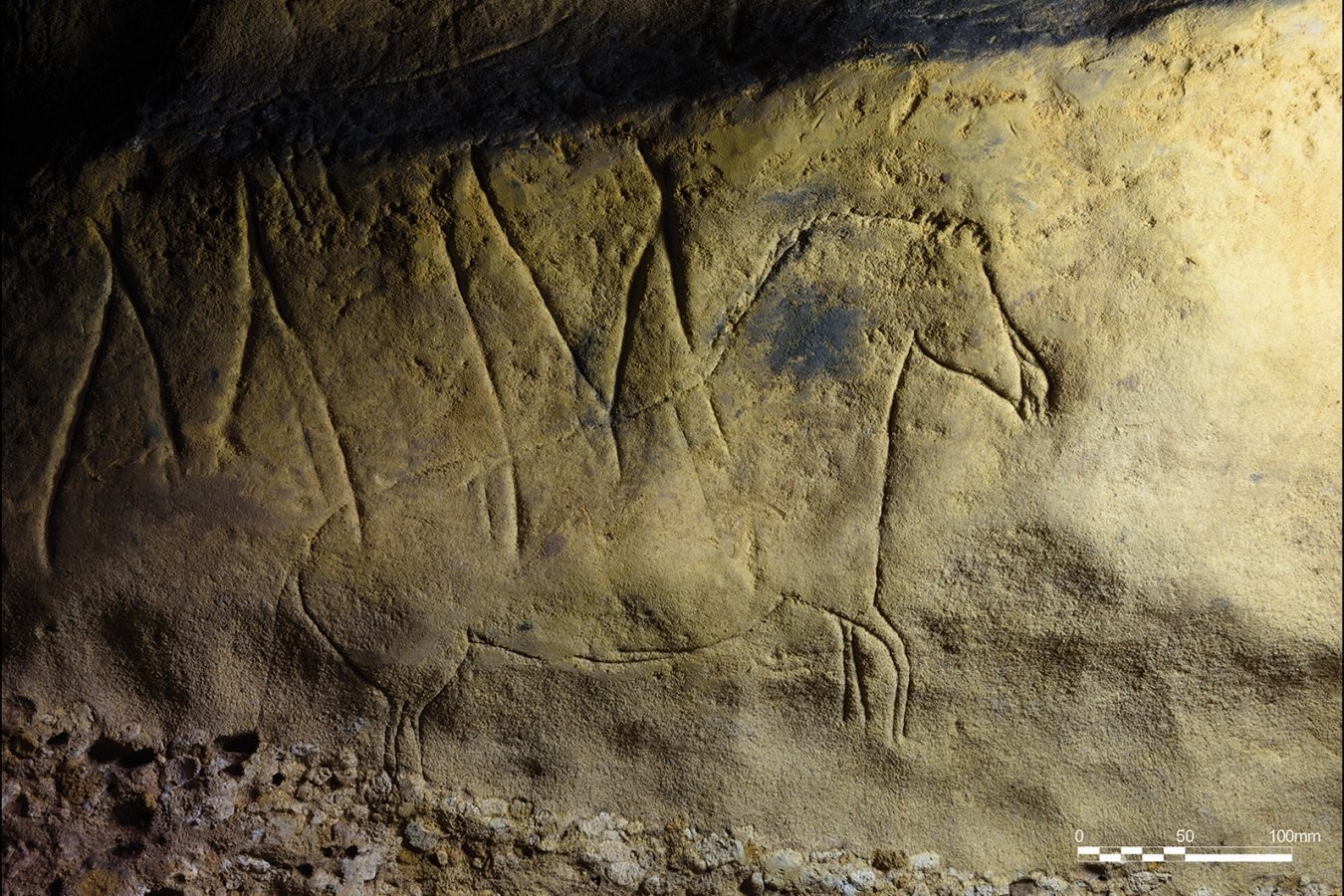
Stunning collection of prehistoric engravings found in Spanish cave
A close examination of a frequently visited cave wall in Spain has revealed a spectacular assembly of rock art engravings thought to be at least 19,000 years old
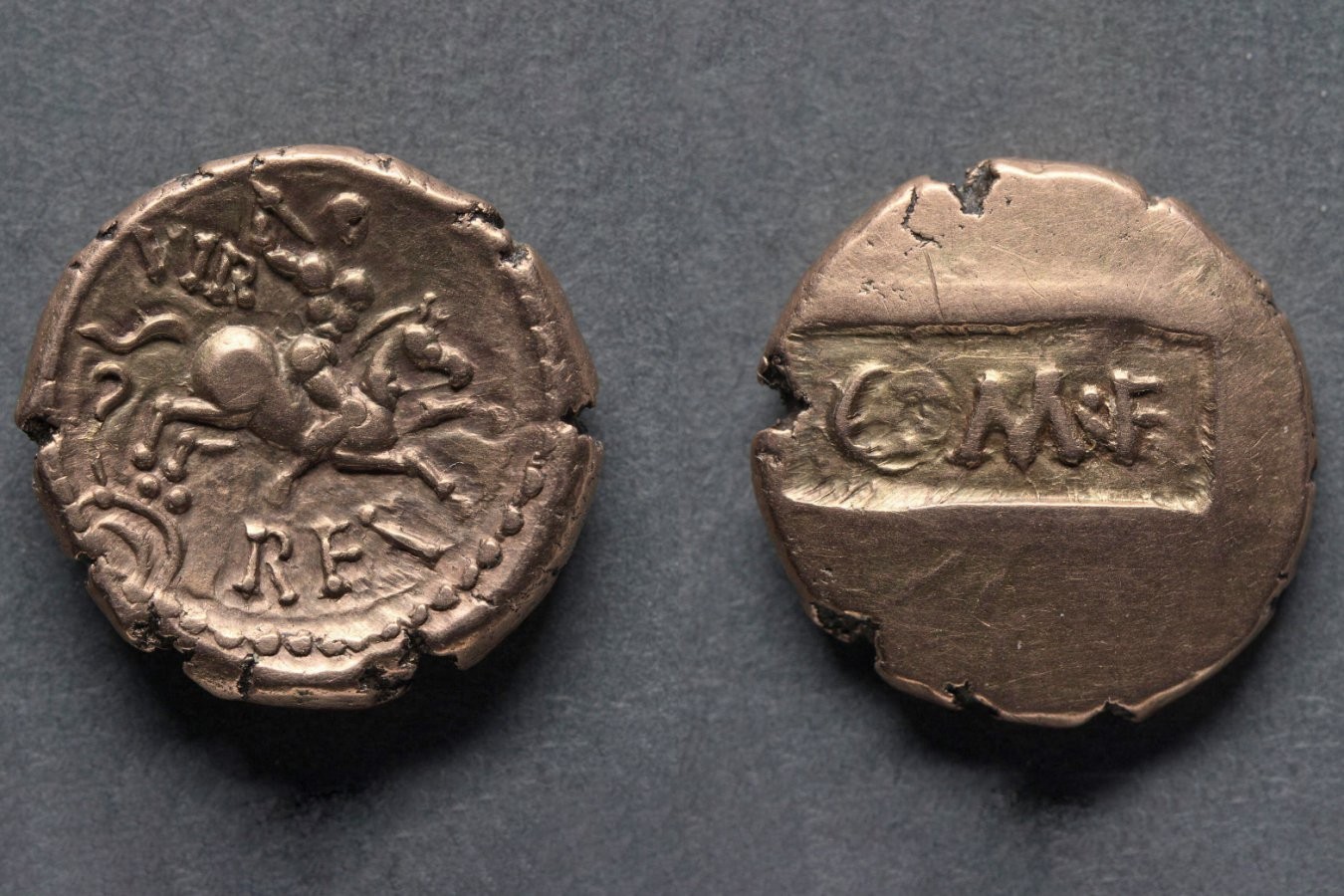
British Iron Age ‘king’ who prompted Roman invasion was probably a woman
Verica, a British ruler who encouraged the Roman emperor Claudius to launch an invasion, may not have been the man historians thought he was