

Community-Led Kiwi Reintroduction Builds Growing Population Around Wellington
Mongabay reported that predator control and Māori-led partnerships have helped kiwi return to Wellington’s hills, with chick survival exceeding 90% under the project’s trapping programme.
Written with AI assistance from the reports named below. How we work
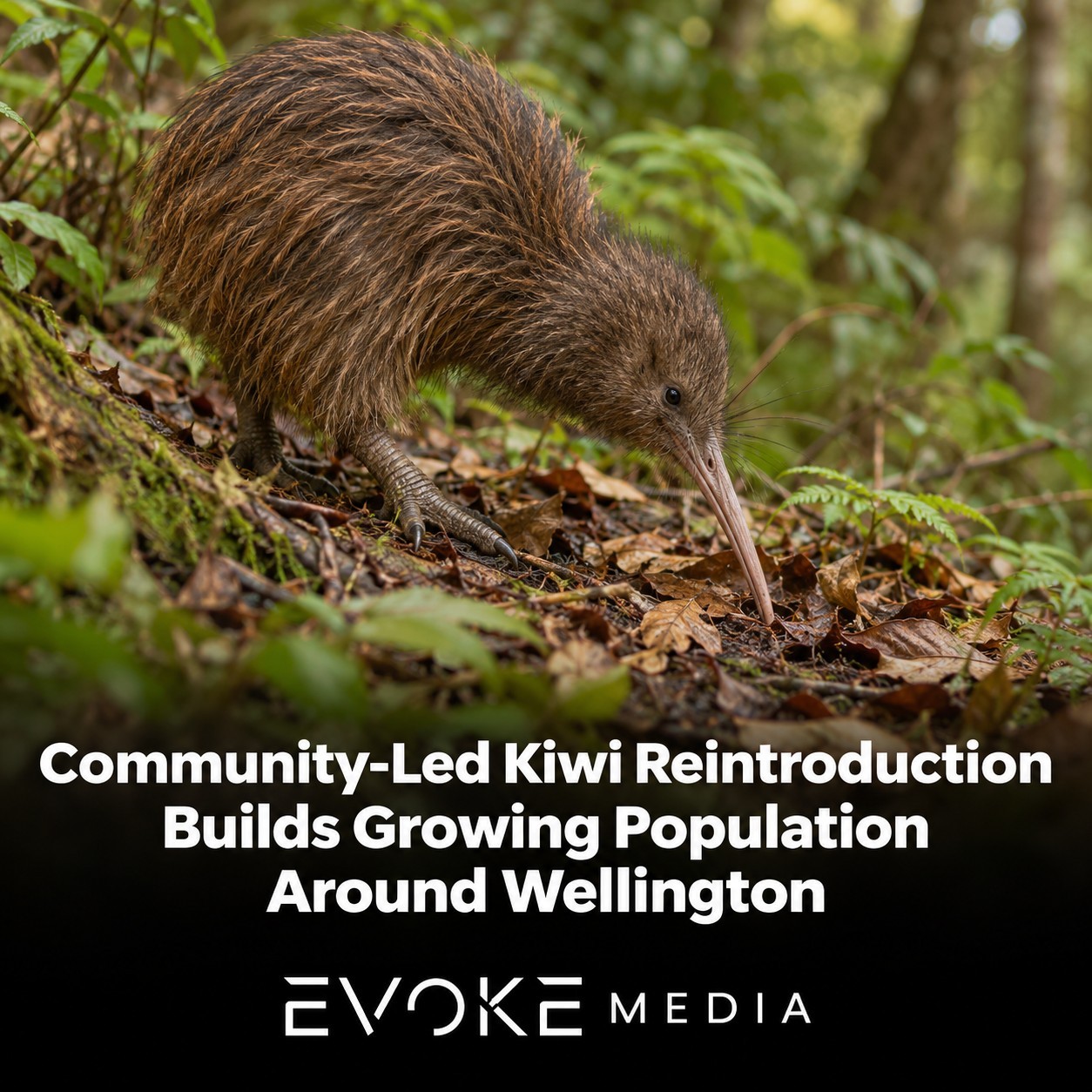
Wild kiwi are roaming the hills around Wellington for the first time in more than 150 years following a reintroduction effort involving Indigenous iwi, community members and private landowners, Mongabay reported.
More than 250 birds have been relocated to the region since late 2022 through Capital Kiwi, a nonprofit project. Including chicks hatched in the wild, founder and project lead Paul Ward estimates that the population now exceeds 300.
Speaking on the Mongabay Newscast, Ward attributed the results to extensive predator management across the landscape before the birds were released.
Project teams installed more than 5,300 traps across 24,000 hectares, or 59,300 acres, covering working farmland, forestry and suburban reserves. The traps target stoats, which Mongabay identified as the main threat to young kiwi.
Stoats were introduced to Aotearoa New Zealand by Europeans in the late 1800s to control rabbits, according to Mongabay.
Ward said that without predator control, nearly all kiwi chicks die before reaching adulthood. Under Capital Kiwi’s trapping programme, however, chick survival has exceeded 90%.
He explained that the release areas contain plentiful food. Managing predators therefore gives the birds an opportunity to establish themselves, with adults capable of finding food independently, Mongabay reported.
Monitoring has also found that the relocated birds are in good condition and laying eggs, according to Rawiri Walsh, the project’s kiwi guardian and iwi liaison from Taranaki Whānui.
Walsh told the Mongabay Newscast that traditional Māori protocols governed the transfer of birds between communities. A formal gifting request, known as tono, precedes the transfer from gifting iwi. Receiving communities then welcome the birds through pōwhiri, a traditional welcoming ceremony.
For Walsh, releasing kiwi into burrows represents returning something to the land and reflects the relationship between people and their environment, Mongabay reported.
The project’s partnerships extend across iwi, landowners and local communities. Its reintroduction work combines those relationships with predator control over a broad area rather than focusing solely on moving birds.
Ward said the partners are also exploring which other treasured species might be returned to these environments.
The reported population growth includes both relocated kiwi and wild-hatched chicks. Together with egg-laying observations and the chick survival figures, it marks progress in establishing kiwi around the capital through the community-led programme, according to Mongabay.
Sources
More coverage

Water levels fell sharply in world’s rivers and lakes in two hottest years on record, study finds
Researchers say effects particularly felt in South America where levels plunged even as some areas had extreme rain Extreme global heat caused an unprecedented decline in the water levels of lakes, rivers and reservoirs around the world in 2023 and 2024, an international study has found. The analysis of global water…

Can Elon Musk really put AI datacentres in space? - The Latest
The Trump administration has approved Elon Musk’s plan to create datacentres in space. US federal regulators have authorised the launch of one million Starmind orbital satellites, which are built by Musk’s SpaceX, to process data in space. Supporters argue the project will be more energy-efficient and reduce the…
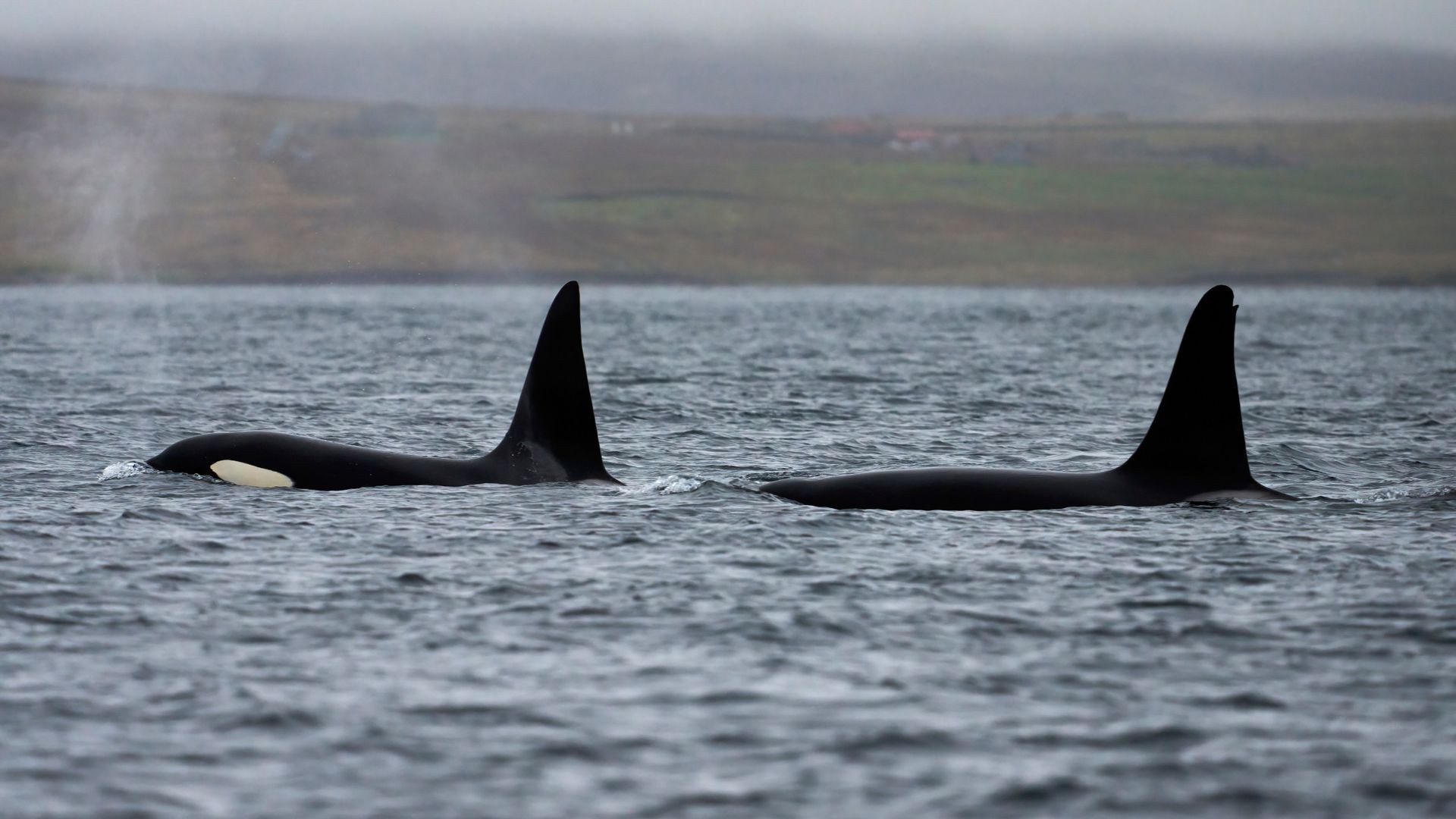
Oldest male orca on record may have been identified thanks to historical atomic bomb testing
Researchers might have identified the oldest male orca ever recorded after testing for radioactive traces of atomic bombs in the teeth of whales stranded in Scotland.

Moss Offers New Ways to Green Buildings and Monitor Urban Pollution
Moss is being used to add greenery to urban structures and investigated as a tool for monitoring air pollution, according to separate accounts from Pragmatika and the United Nations Economic…