

Instagram Photos Lead Researchers to New Giant Waterlily Species in Colombia
The Guardian and Mongabay reported that social media photographs helped researchers discover a giant waterlily species already considered critically endangered.
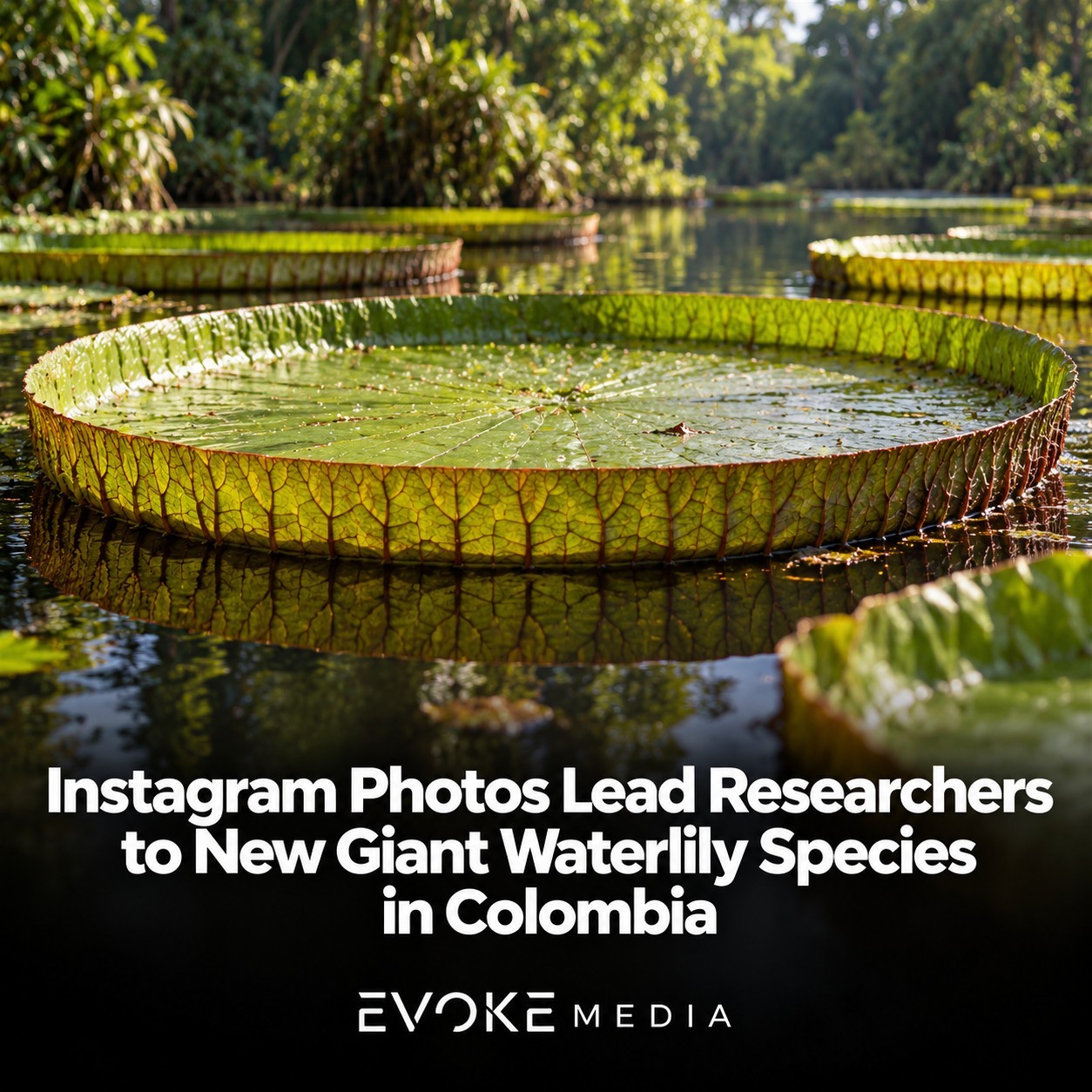
A chance encounter with social media photographs led to the discovery of a new giant waterlily species in Colombia, according to The Guardian and Mongabay. Both outlets reported that its leaves could be spotted from space and that the plant is already considered critically endangered.
Mongabay traced the investigation to 2021, when giant-waterlily expert Carlos Magdalena saw Instagram photographs posted by Jeremiah Harris, who runs a carnivorous-plant nursery in the U.S. Harris was pictured swimming beside waterlily leaves in Colombia’s Inírida River and had identified the plant as Victoria amazonica.
According to Mongabay, Magdalena recognised that no known South American giant waterlily species from the genus Victoria had previously been reported from the Orinoco Basin, which includes the Inírida River. He examined satellite imagery and spotted additional floating pads in the river and nearby lakes.
Mongabay reported that confirmation involved a five-day expedition and a late-night detour in a Colombian rainforest. The Guardian’s supplied excerpt did not detail that expedition, but reported that plans were being developed to protect the newly discovered species.
Sources
More coverage

Prevention-Focused Pest Management Offers an Alternative to Blanket Spraying
Prevention and targeted treatment are central to lower-impact household pest management, according to Happy Eco News. The outlet described integrated pest management, or IPM, as an alternative to…

NASA to Discuss Artemis Acceleration, Status of Upcoming Moon Missions
NASA will provide an update on its plans to return American astronauts to the surface of the Moon by 2028 at 2 p.m. EDT, Friday, Oct. 23, at the agency’s Kennedy Space Center in Florida. Learn where to watch online: https://www.nasa.gov/live Participants in the briefing include: The update will include details about…
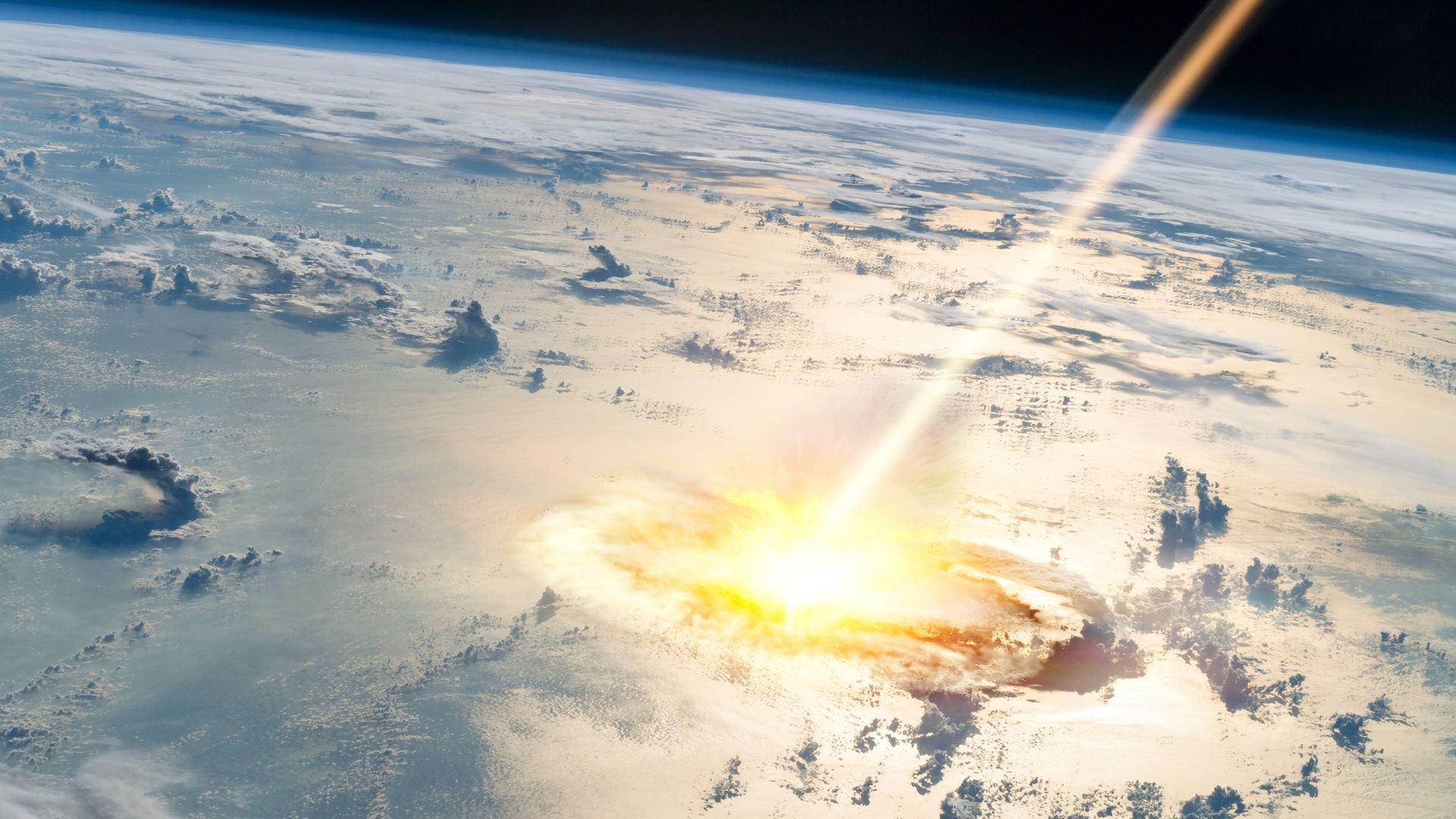
One of America's biggest meteor craters is 100 million years younger than we thought — and coincided with a global extinction event
Analysis of tiny zircon crystals buried within the 10-mile-wide Ames crater in northwest Oklahoma suggests that the submerged structure dates back to 370 million years ago, during the Frasnian-Famennian mass extinction event.
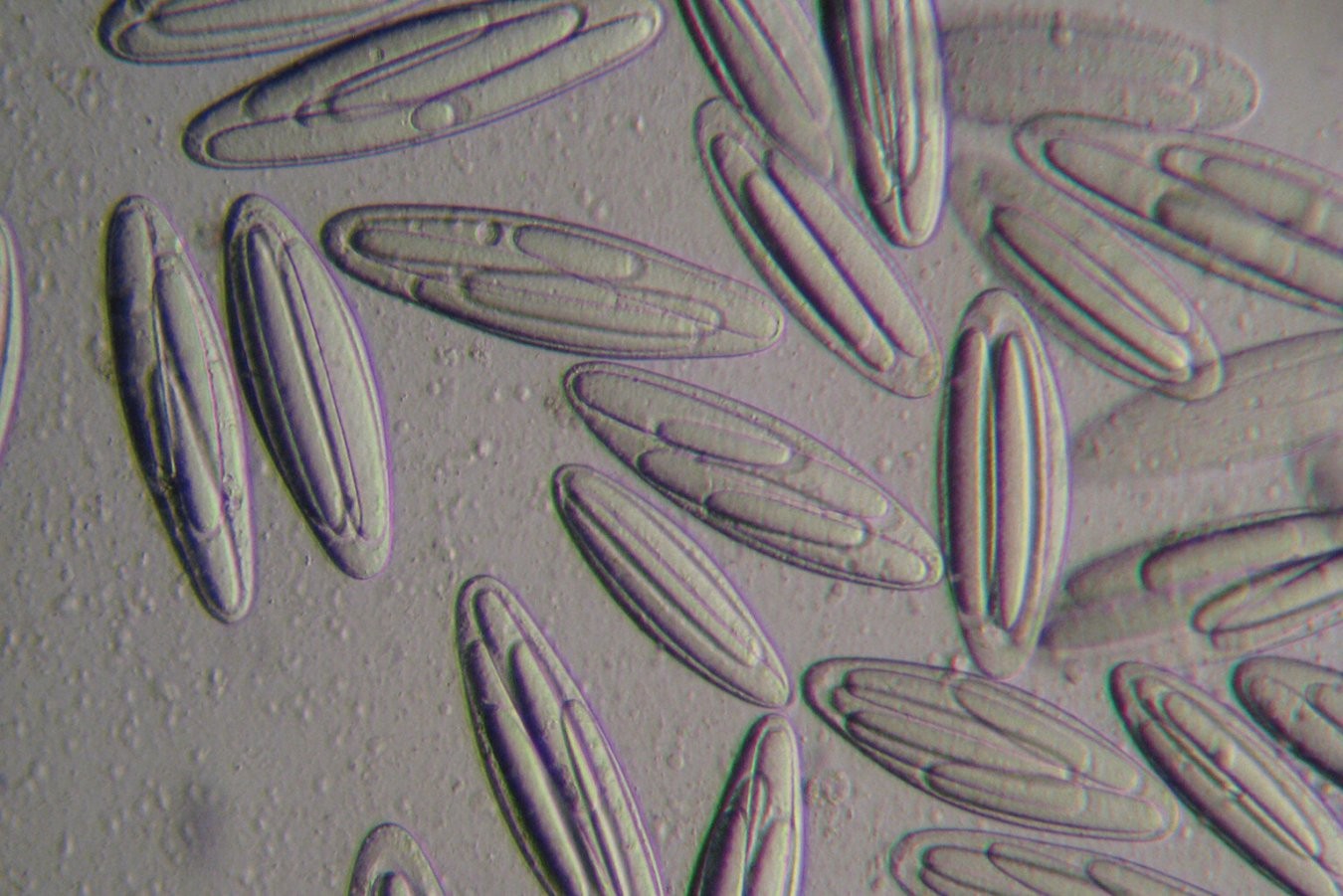
Giant bacteria could be living in your gut
Bacteria that are visible without a microscope are generally found in mangroves and fish, but an analysis of different species from around the world suggests they also reside in the human gut