

Francis Halzen’s Physics Nobel Recognises a New Way to Study the Cosmos
Six reports described how Francis Halzen’s work on Antarctica’s IceCube observatory enabled high-energy neutrinos from space to become a tool for astronomy.
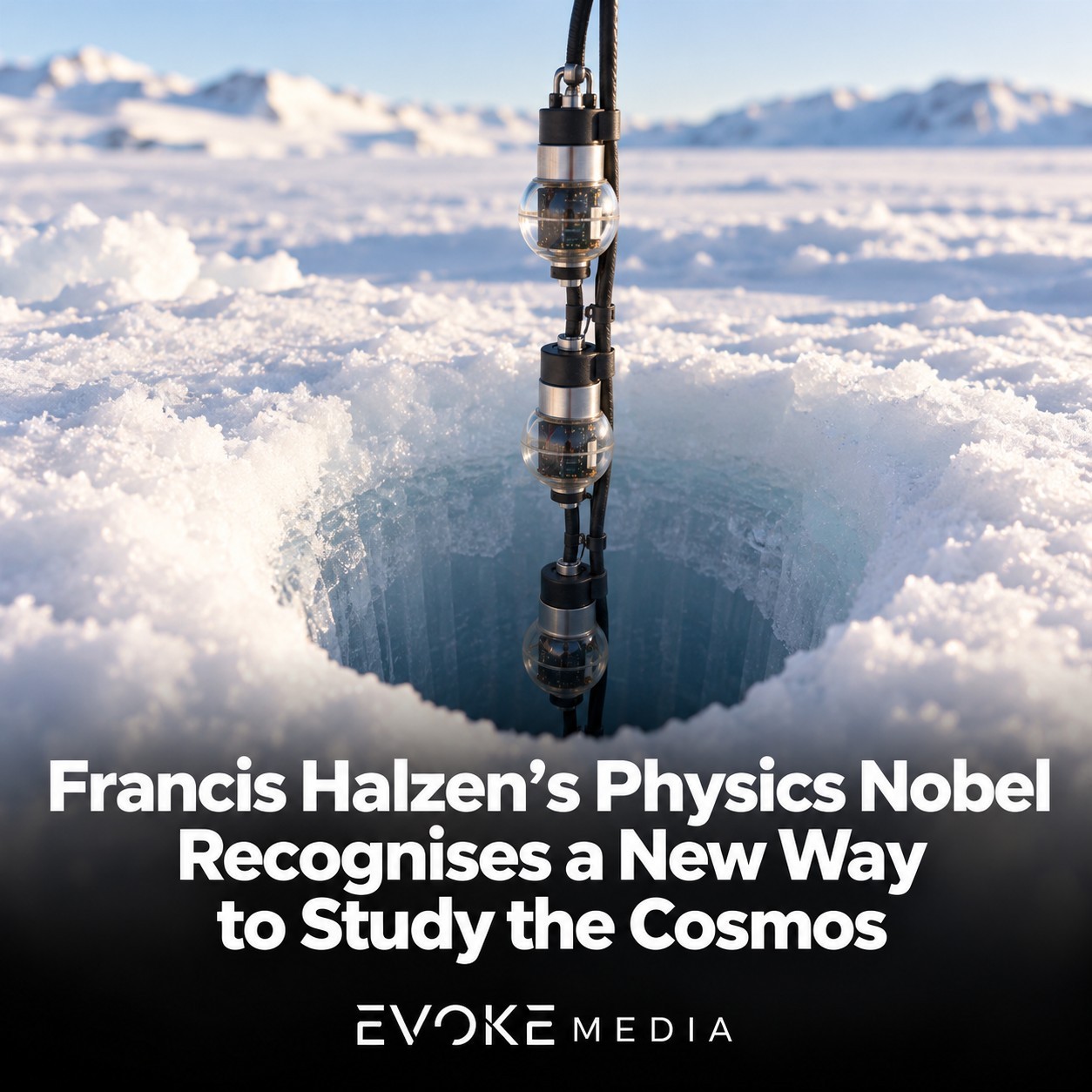
Francis Halzen has won the 2026 Nobel Prize in physics for work detecting high-energy neutrinos from space, according to NPR, New Scientist, BBC News, The Guardian and The Conversation. The reports connect the award to IceCube, an observatory that uses sensors buried beneath Antarctic ice to detect these elusive particles.
NPR described Halzen as an 82-year-old scientist originally from Belgium, affiliated with the University of Wisconsin–Madison, whose South Pole neutrino research dates to the 1980s. BBC News likewise identified him as Belgian and credited his pioneering observatory work. The Guardian’s separate video report specified that the physics prize went to one scientist.
New Scientist and The Conversation reported that Halzen proposed using Antarctic ice as a neutrino detector in 1988. The Conversation also described developing the vision with a colleague, while New Scientist detailed an international collaboration involving more than 450 people from 58 institutions in 14 countries.
According to New Scientist, IceCube contains thousands of light sensors installed in deep holes drilled using hot water, two kilometres beneath the surface. The Conversation described sensors distributed across a cubic kilometre of exceptionally clear ice, with long strings lowered into boreholes that subsequently refreeze.
New Scientist reported that the observatory was completed in 2010 and began full operations the following year. It and The Guardian dated the first detection of high-energy extraterrestrial neutrinos to 2013. The Conversation described that milestone more specifically as the first strong evidence for a population of extremely high-energy neutrinos originating beyond the solar system.
Both New Scientist and The Conversation explained that neutrinos rarely interact with matter and carry no electric charge. Vast numbers arrive from the Sun, but the high-energy particles studied by IceCube are much rarer. The Conversation put their rarity at about a billion times greater than that of solar neutrinos.
The Conversation provided a detailed account of detection: an occasional neutrino collision produces a charged particle, such as a muon, which creates faint blue Cherenkov light while travelling through ice. Its speed can exceed that of light in ice without exceeding light’s speed in a vacuum.
By measuring the light’s timing and pattern, researchers reconstruct the particle’s path and infer the incoming neutrino’s direction, according to The Conversation. New Scientist similarly described the sensor network as enabling researchers to trace trajectories towards their origins and investigate how the particles formed.
The Conversation explained that this offers information unavailable through light alone. Electrically charged cosmic rays have their paths bent by magnetic fields, whereas neutrinos travel in almost straight lines. Neutrinos can also escape dense environments where light is absorbed or scattered, allowing investigation of powerful cosmic sources.
New Scientist reported subsequent discoveries not detailed in the other supplied accounts. In 2017, IceCube helped identify a definitive source for a single high-energy cosmic neutrino: the blazar TXS 0506+056. In 2023, it identified neutrinos originating within the Milky Way.
The Conversation situated the work within multi-messenger astronomy, which combines light, gravitational waves, cosmic rays and neutrinos to build a fuller understanding of the universe. It also distinguished IceCube’s observations of natural astrophysical processes from hypothetical proposals for interstellar communication.
New Scientist reported that Halzen expressed surprise at receiving the award and wanted recognition to extend to early collaborators. His account emphasised the challenges of a project whose success had been uncertain before the detector demonstrated that the approach worked.
Sources
- NPR: Francis Halzen wins Nobel Prize in physics for work on high-energy neutrinos from space
- New Scientist: Nobel prize in physics awarded for discovery of high-energy neutrinos
- BBC News: 'Ghost particles' from space telescope wins physics Nobel
- The Guardian: Nobel prize in physics goes to Francis Halzen for south pole work on neutrinos
- The Conversation: Nobel physics prize awarded for discovery of ‘ghostly messengers’ from the cosmos
- The Guardian: Nobel prize in physics 2026: high energy cosmic neutrinos
More coverage

Prevention-Focused Pest Management Offers an Alternative to Blanket Spraying
Prevention and targeted treatment are central to lower-impact household pest management, according to Happy Eco News. The outlet described integrated pest management, or IPM, as an alternative to…

NASA to Discuss Artemis Acceleration, Status of Upcoming Moon Missions
NASA will provide an update on its plans to return American astronauts to the surface of the Moon by 2028 at 2 p.m. EDT, Friday, Oct. 23, at the agency’s Kennedy Space Center in Florida. Learn where to watch online: https://www.nasa.gov/live Participants in the briefing include: The update will include details about…
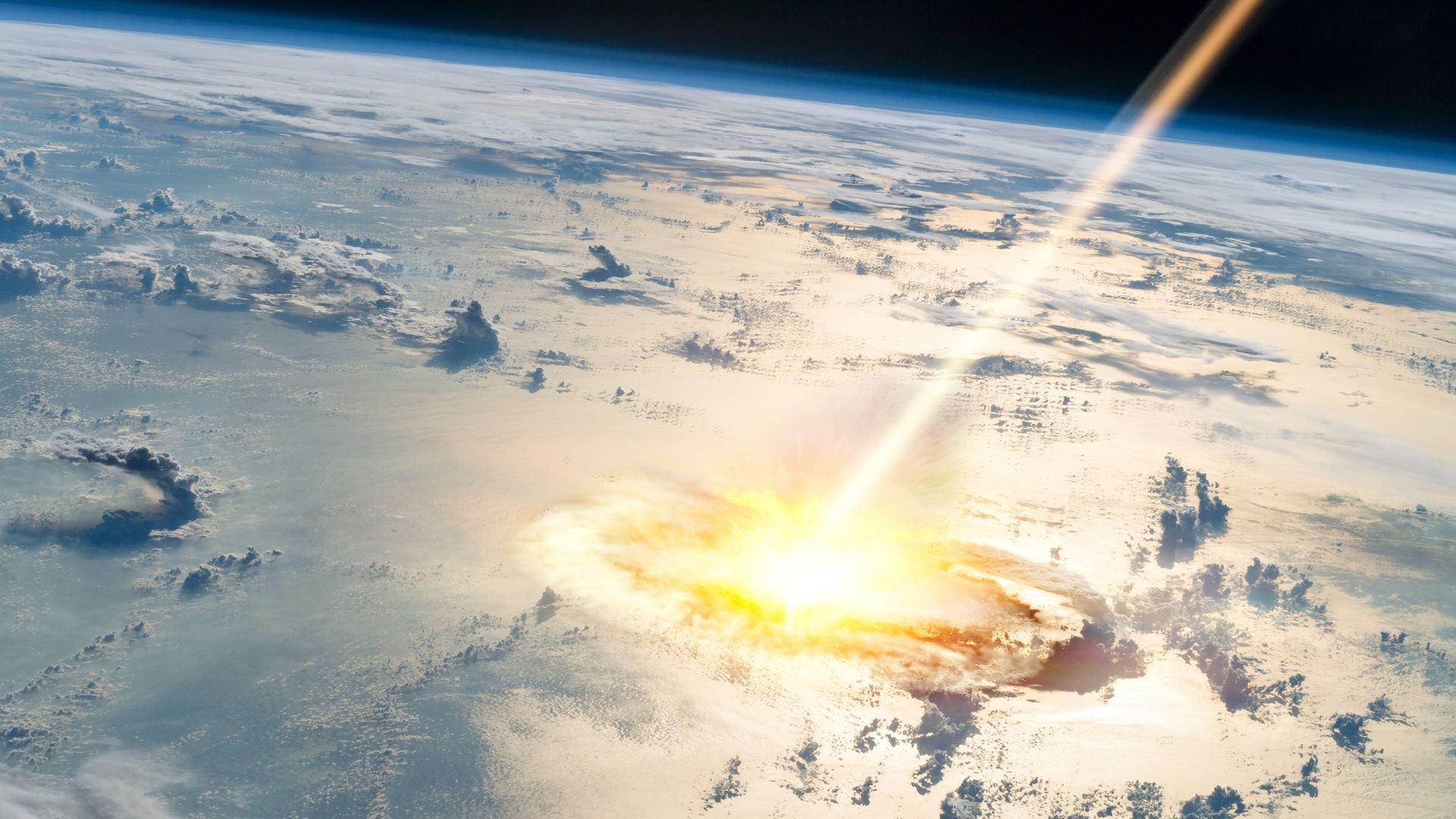
One of America's biggest meteor craters is 100 million years younger than we thought — and coincided with a global extinction event
Analysis of tiny zircon crystals buried within the 10-mile-wide Ames crater in northwest Oklahoma suggests that the submerged structure dates back to 370 million years ago, during the Frasnian-Famennian mass extinction event.
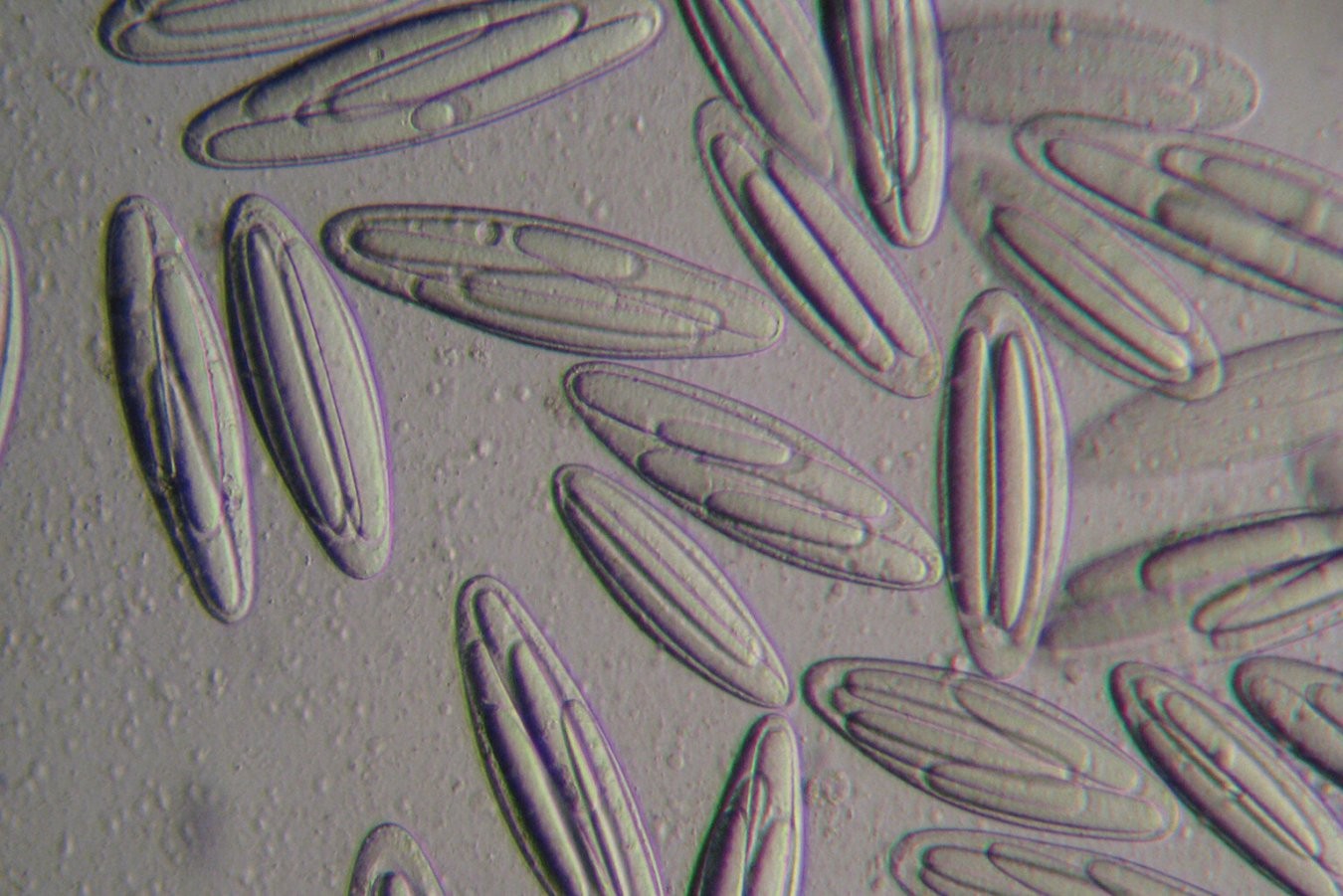
Giant bacteria could be living in your gut
Bacteria that are visible without a microscope are generally found in mangroves and fish, but an analysis of different species from around the world suggests they also reside in the human gut