

Webb Observations Reveal Heavy Elements in Gas Near Milky Way’s Central Black Hole
Live Science reported that metal-rich gas around Sagittarius A* offers clues to the region’s history and the distribution of elements that also exist on Earth.
Written with AI assistance from the reports named below. How we work
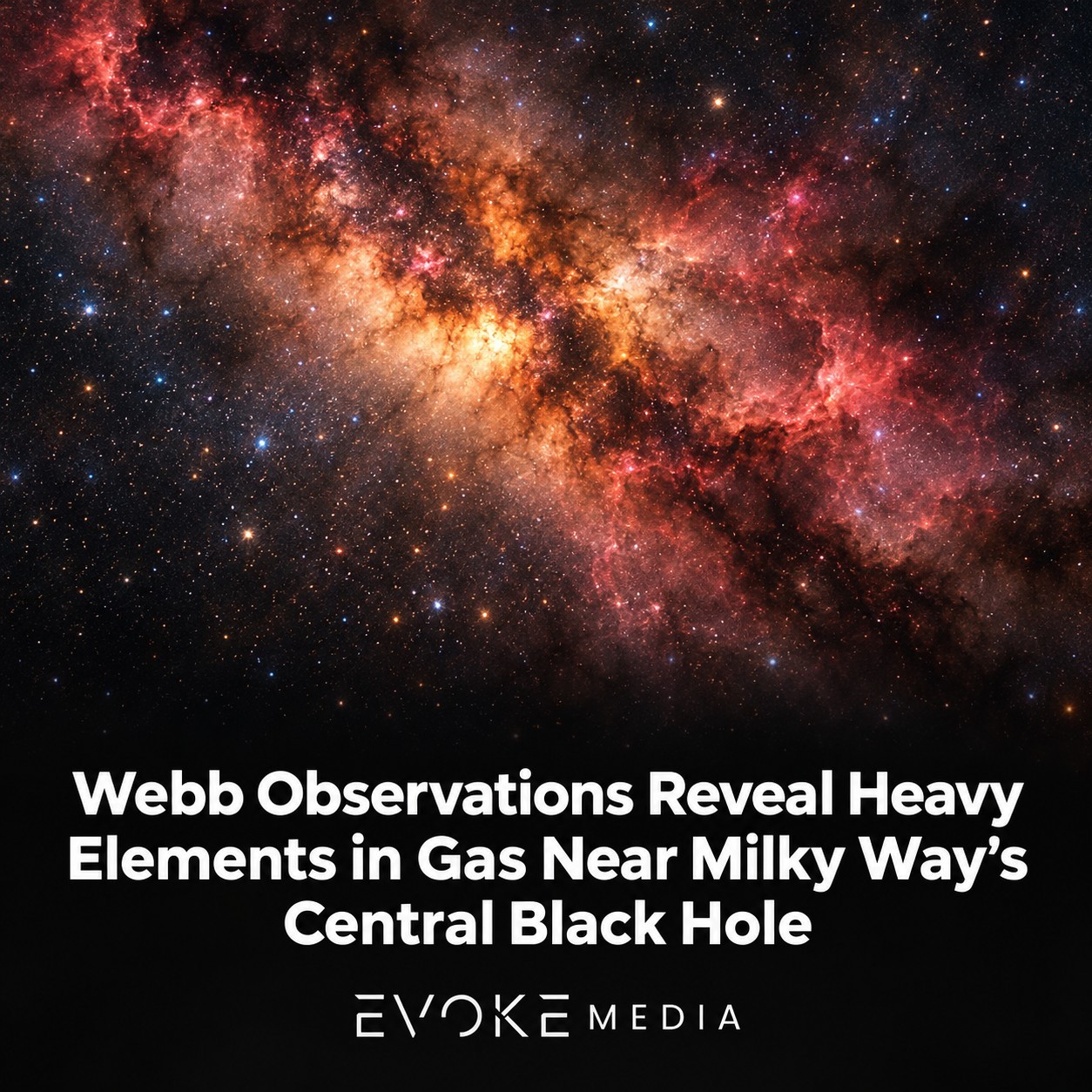
Observations by the James Webb Space Telescope have revealed an abundance of heavy elements in gas surrounding the Milky Way’s central supermassive black hole, Live Science reported.
The findings concern material near Sagittarius A*, where researchers are examining the gas, dust and orbiting stars to better understand the black hole’s behaviour.
In astronomy, metals are elements heavier than hydrogen or helium, including oxygen, carbon, iron and gold, Live Science explained. Stars produce these elements through nuclear fusion, releasing them into space where they can become part of later generations of stars.
According to the outlet, scientists think the newly observed material likely reached the region through supernovas. The gas has a composition resembling that of several nearby stars, suggesting the gas and stars originated at the same time.
Webb identified heat signatures from gas clouds near the black hole and measured their metal content, Live Science reported. The observations appeared in The Astronomical Journal on October 19, following research published in The Astrophysical Journal in May.
Nicole Ford, the new paper’s first author and an astrophysics doctoral student at McGill University in Montreal, said studying the available material is part of understanding why Sagittarius A* consumes less matter, and does so more slowly, than other supermassive black holes, according to Live Science.
The outlet reported that metal content affects how quickly gas cools, which in turn influences how readily a black hole can draw it in.
McGill researchers said the findings could help explain how metals are distributed around supermassive black holes in more distant galaxies, alongside the processes that supplied Earth with many of those elements, Live Science reported.
The earlier study also established a limitation: conditions within local clouds influence gas emissions near Sagittarius A*. According to Live Science, researchers therefore cannot use those emissions alone to determine how frequently the black hole has been active.
Sources
More coverage

'The first species we might be able to communicate with, interact with vocally, might be a bird': An animal researcher explains how she decoded birdsong
Julie Elie , an ethologist at the University of California, Berkeley, tells Live Science about using AI to decode the vocalizations of zebra finches.
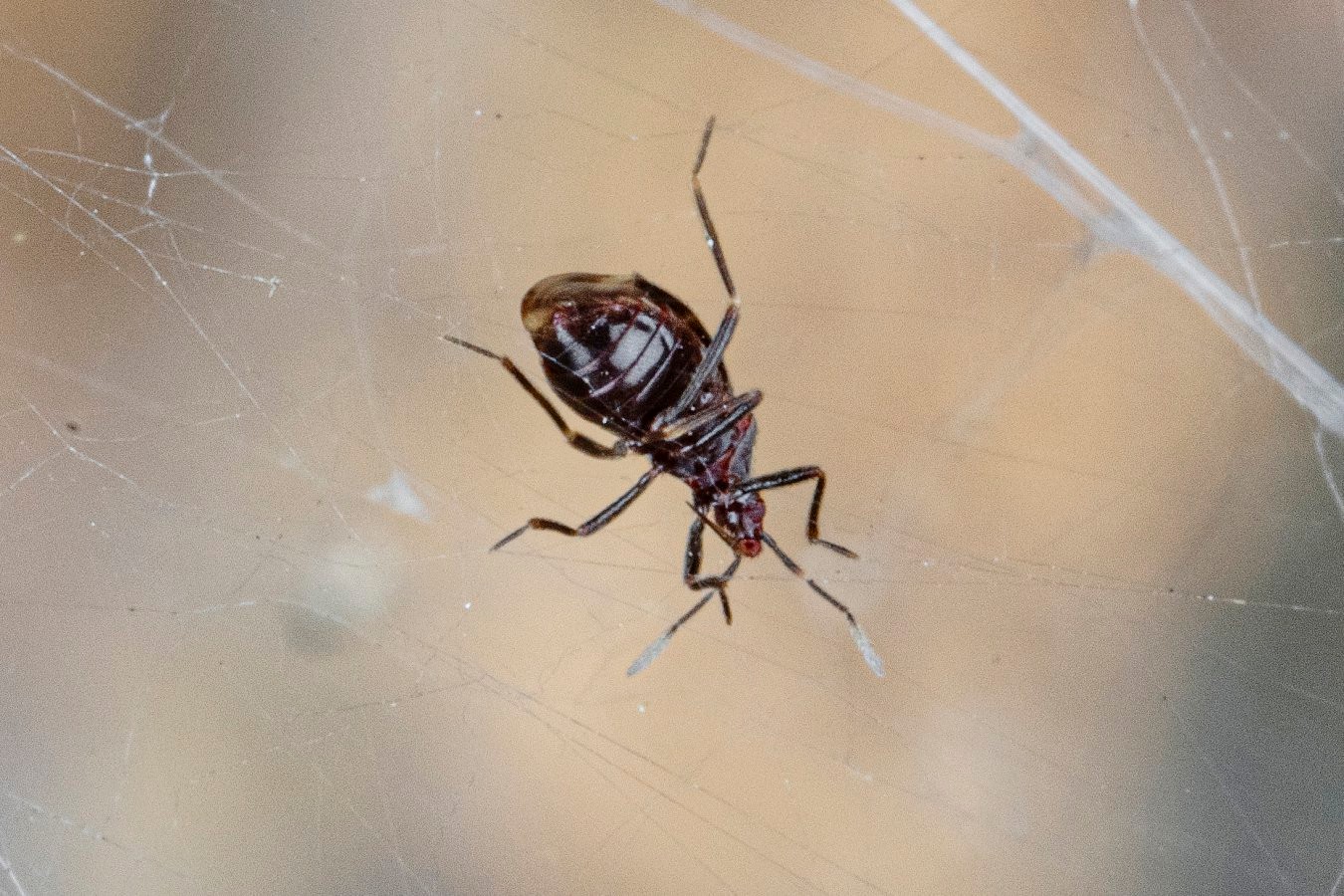
Newly described insect may live its whole life on a spider’s web
A species of “web-loving bug” from China lives on a spider's web and seems to follow its arachnid host around. The insect may be too small for the spider to bother attacking

California’s Wolf Divide
After nearly a century’s absence, gray wolves are recolonizing California, altering ecosystems and landscapes in the U.S.’s most populous state. Mongabay’s Spoorthy Raman examines how this change is playing out: conservationists welcome the wolves’ return, ranchers vilify them due to livestock losses, and others seek…

10 Million Hectares of Sal Forests: 7 Ways One Tree Supports India’s Rural Economy
A meal served on a leaf plate, a silk saree woven from wild silk , and incense burning during a prayer may appear like three unrelated parts of everyday life. But they share an interesting connection. Each, in its own way, can be traced back to the forests and a tree that has supported communities for generations…