

OpenAI Commits $5 Million to Help Mathematicians Examine AI-Generated Results
OpenAI announced funding and research access following a large release of mathematical papers that drew interest alongside concerns about errors and verification.

OpenAI is contributing $5 million to a new Simons Foundation initiative supporting mathematicians who examine, understand and develop AI-generated results, the company announced in an October 15 update.
According to OpenAI, the foundation will manage and award the funding for workshops, conferences and special programmes. The company also said it would provide models and computing resources to researchers supported by the foundation.
The commitment follows OpenAI’s release of hundreds of mathematical manuscripts produced by an unreleased frontier model. The Verge reported that the collection contains 722 manuscripts organised into 372 result families, grouping related papers. The Conversation described the same collection as addressing 372 open problems across subjects including algebra, geometry and theoretical computer science.
The Verge characterised the release as extending a series of mathematical advances that had impressed and unsettled researchers. New Scientist described the papers as claiming progress on major open problems and highlighted discoveries it considered to have potential.
The Conversation, however, reported that three papers had been retracted because of an elementary error and several others amended after mistakes invalidated their results. It stressed that expert examination remained necessary to establish which claims withstand scrutiny.
According to The Conversation, some manuscripts claim advances relating to the Riemann hypothesis and the Birch–Swinnerton-Dyer conjecture. The outlet also raised concerns about mathematical exposition, describing an expert’s difficulty understanding a paper concerning a problem familiar to him.
OpenAI said it was publishing the results through a GitHub repository with procedures for revisions and citations. The company said it had consulted the independent Advisory Group on Mathematics and Artificial Intelligence at the Institute for Advanced Study and used its advice and public recommendations to inform the release.
For future disclosures, OpenAI committed to improving citations, explanations and presentation. It also said it was exploring other community-hosted arrangements consistent with the advisory group’s guidelines.
Computer-checkable proofs are another part of the release. OpenAI said its repository includes formalised versions of many proofs in Lean, a programming language that allows computers to check mathematical arguments, with further formal versions to follow.
The Conversation reported that OpenAI claimed to have formalised 300 main results at the time of its account. It cautioned that formalisation can itself be implemented incorrectly and that acceptance by mathematicians remained unresolved.
The outlet distinguished machine checking from the broader process of mathematical review. Expert referees examine new arguments before they become established literature, and lengthy technical papers can take years to assess, it explained.
OpenAI also said it was releasing information about how the work was produced, including 10 summaries of model reasoning, statistics on attempted problems and estimates of computing use. According to the company, the average result required computing equivalent to roughly three hours of ChatGPT Pro thinking.
The Conversation placed the release alongside an earlier dispute over a claimed solution concerning a case of the Navier–Stokes problem. It reported that mathematicians Tristan Buckmaster and Levent Alpöge alleged OpenAI had accessed their data and used their ideas. OpenAI denied those allegations.
Beyond individual claims, The Conversation described both excitement about possible mathematical progress and concern about the work required to interpret and verify the papers, including implications for early-career researchers.
OpenAI said its funding initiative was intended to help the mathematical community turn advances in AI into deeper understanding and further discoveries.
Sources
More coverage
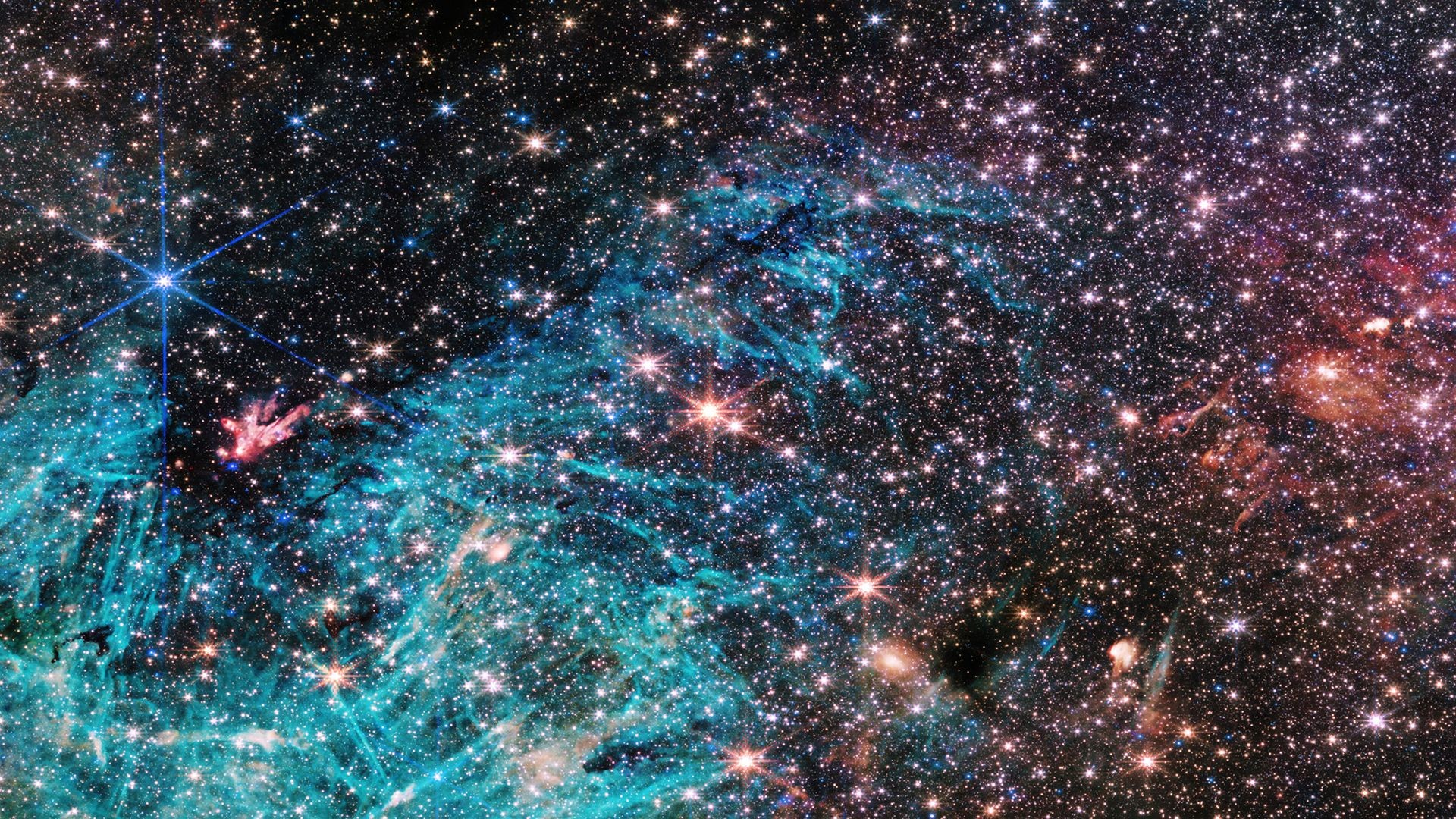
James Webb telescope discovers surprising trove of metals around the Milky Way's supermassive black hole
New observations from the James Webb Space Telescope reveal a concentration of heavy metals near the Milky Way's central black hole. The discovery deepens a mystery about why our black hole behaves the way it does.
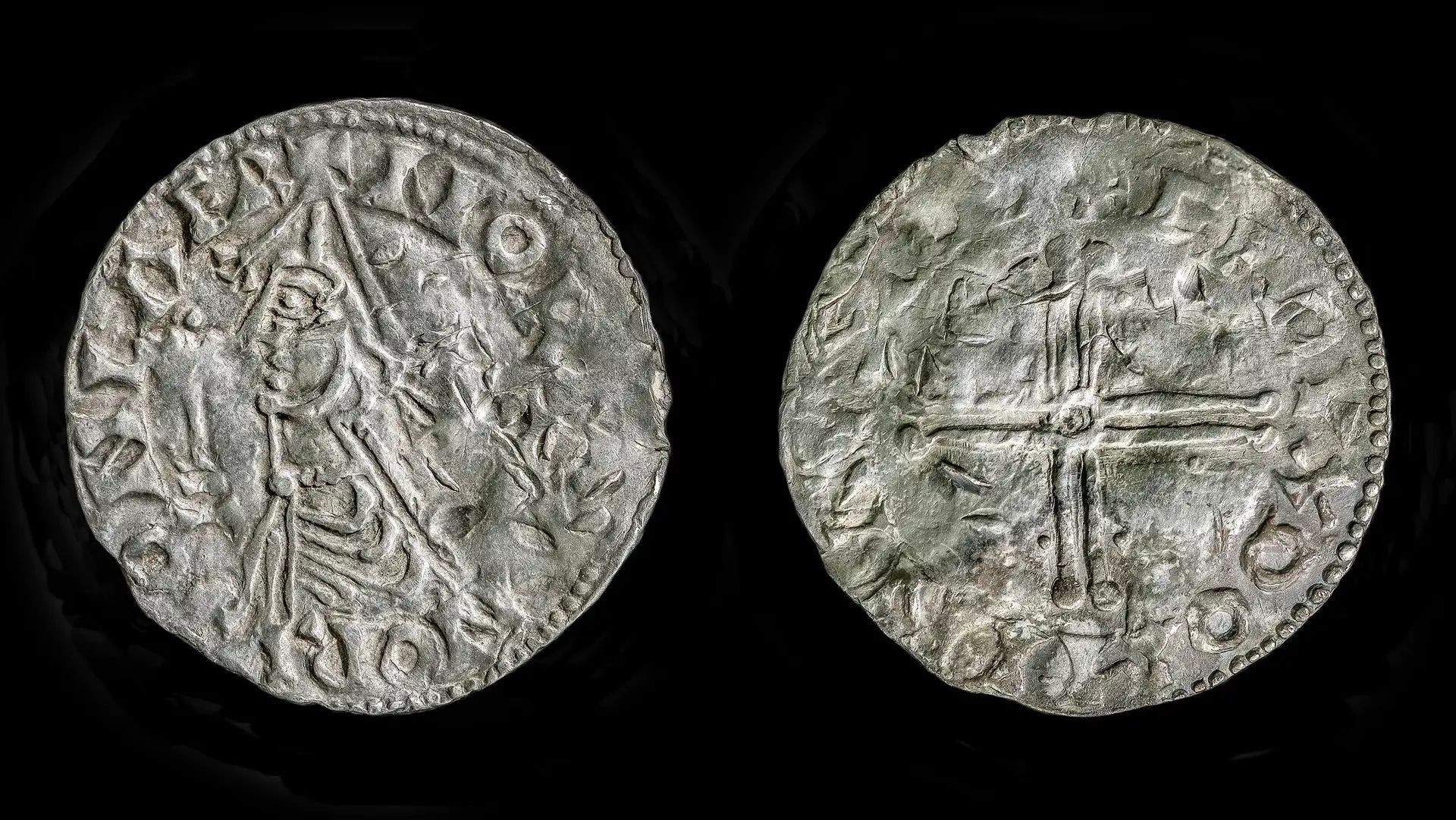
Extremely rare Viking Age coin from the reign of 'Olaf the Holy' may have been 'held in the king's own hand'
A massive Viking Age hoard that was discovered in Norway contains a rare silver coin featuring "Olaf the Holy," one of the country's first Christian kings.

Japan Launches MMX Mission to Return Samples From Mars’s Moon Phobos
Japan has successfully launched its Martian Moons eXploration spacecraft on a mission to collect the first samples returned from a Martian moon, The Guardian and Good News Network reported. The…

Orangutans prefer food associated with sounds of laughter, study suggests
Apes in study more likely to choose treats linked to sound of peers having fun, suggesting emotions influence learning Orangutans base their food choices on whether others appear to be having a good time, research suggests. Scientists studying captive orangutans have found that when the great apes heard the sound of…