

Depression Study Identifies Body-Clock Pattern That Could Inform Treatment Research
Australian researchers propose a circadian subtype affecting around 23% of their study participants, while independent experts say further validation and treatment trials are needed.
Australian researchers have identified a pattern of sleep and seasonal symptoms that they propose represents a distinct subtype of depression, according to Live Science, The Guardian and New Scientist.
The proposed subtype affected approximately 23% of participants and was associated with earlier illness onset, greater symptom severity and poorer reported responses to common antidepressants, the outlets reported. Researchers are investigating whether treatments directed at body-clock regulation could help.
Live Science and The Guardian reported that the study examined 11,380 Australian adults. Live Science identified 2,604 participants as meeting the proposed criteria and said participants were aged 18 to 90. The Guardian described the group as having mostly severe and recurrent depression.
Participants qualified if they reported at least three of six features, according to Live Science and New Scientist. These included evening preferences, late sleep timing, tiredness upon waking, excessive sleep during depression, differences between workday and free-day sleep schedules, and seasonal changes in symptoms.
The findings appeared in The British Journal of Psychiatry, all three outlets reported.
The accounts differ in how strongly they describe the relationship. New Scientist characterised disrupted body clocks as a possible cause of a quarter of depression cases. The Guardian described a linked subtype, while Live Science emphasised that the classification remains a proposal rather than a formally established diagnosis.
Live Science reported that independent sleep researcher Brant Hasler questioned whether the symptom pattern necessarily demonstrated physiological body-clock disruption. Participants’ descriptions of their sleep correlate only modestly with direct circadian measurements, such as saliva melatonin testing, he said.
The proposed group developed depression earlier than other participants, according to Live Science and New Scientist. Their figures differed slightly: Live Science reported onset around age 19, while New Scientist gave an average of 18. Both placed onset in the comparison group at approximately 23.
Both outlets also reported greater symptom severity and more suicidal thoughts among those meeting the criteria.
Genetic analysis provided another line of investigation. Live Science reported that researchers used DNA from saliva samples to calculate scores combining the effects of many genetic variants. The proposed circadian group had higher genetic risk scores for several psychiatric conditions, alongside traits involving sleep, body weight, insulin resistance and inflammation.
New Scientist similarly reported associations with variants linked to sleep problems, higher weight, inflammatory markers and attention-deficit/hyperactivity disorder.
Participants in the proposed group reported less benefit and more side effects from common antidepressants, according to Live Science and New Scientist. Live Science specified selective serotonin reuptake inhibitors and serotonin-norepinephrine reuptake inhibitors.
However, independent psychiatrist and sleep researcher Ruth Benca told Live Science that greater illness severity and additional psychiatric conditions could also contribute to poorer treatment responses. Body-clock disturbance may not be the sole explanation.
New Scientist reported that researchers were preparing a clinical trial examining a synthetic form of melatonin and behavioural approaches to regulating daily rhythms. These include consistent waking, daylight exposure and regular daytime meals and exercise.
Live Science also described melatonin, bright light therapy and structured sleep schedules as potential research directions, while stressing that clinical trials are needed before firm treatment conclusions can be drawn.
Independent psychiatrist Colleen Loo told New Scientist that the findings advance understanding but do not yet justify choosing one medication over another based on the proposed subtype.
Live Science additionally noted that the results require validation beyond a single Australian cohort and that the genetic analysis included only participants of European ancestry.
Sources
More coverage

Gunter Stein, control systems and theory expert, dies at 84
Longtime EECS adjunct professor and LIDS researcher was known for an influential essay on the need for engineers to “respect the unstable.”

NASA, Virginia Launch Power Partnership for Energy Security
NASA is helping to foster long-term energy security in Virginia. NASA’s Langley Research Center in Hampton, Virginia, is partnering with the Virginia Department of Energy to support informed decisions for effective energy generation, delivery and use by providing solar, meteorological, and future weather risk datasets…
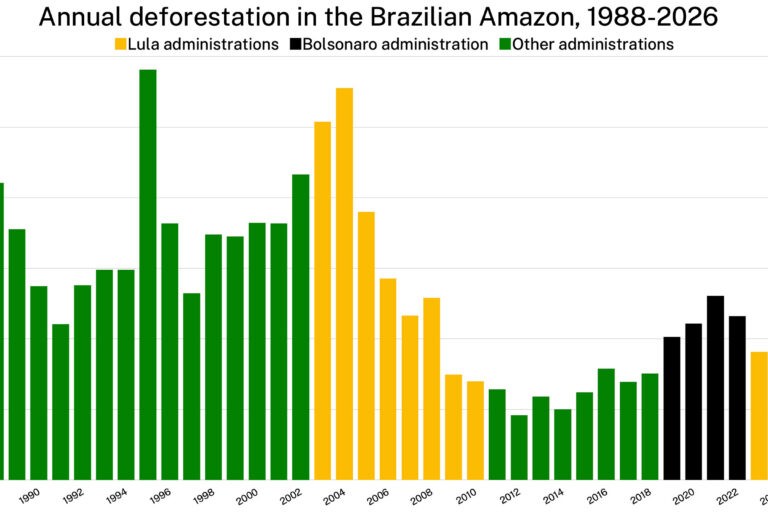
What if Flávio Bolsonaro wins? High stakes for the environment in Brazil’s 2026 elections (commentary)
Fear and disbelief prevail among those in Brazil who are concerned about the environment. A climate denier and voluble supporter of dismantling Brazil’s environmental agencies may well be the country`s next president. Brazil’s current president, Luiz Inácio Lula da Silva (known simply as “Lula”) faces Flávio…

'Most people can't handle driving in 2 dimensions let alone 3': Readers respond to our poll about flying cars
Tesla recently demonstrated its Rocket Roadster "flying car." We asked our readers whether they think flying cars will be widely available in the near future.